



















The eight-page policy emphasises prevention of terror attacks, swift and proportionate response, and enhanced coordination among government agencies. It advocates a “whole-of-government” and “whole-of-society” approach grounded in human rights and rule of law, while addressing radicalisation and other enabling conditions.
India’s strategy is described as proactive and intelligence-guided, with the Multi Agency Centre (MAC) and the Joint Task Force on Intelligence (JTFI) under the Intelligence Bureau serving as nodal platforms for real-time information sharing and coordinated action.
The policy highlights efforts to curb terror financing, dismantle overground worker (OGW) networks, counter misuse of the internet and encrypted platforms, and tackle emerging threats such as drones, cyber-attacks, dark web operations and crypto funding. It also flags risks related to CBRNED (Chemical, Biological, Radiological, Nuclear, Explosive and Digital) materials and the growing nexus between terrorist outfits and organised crime.
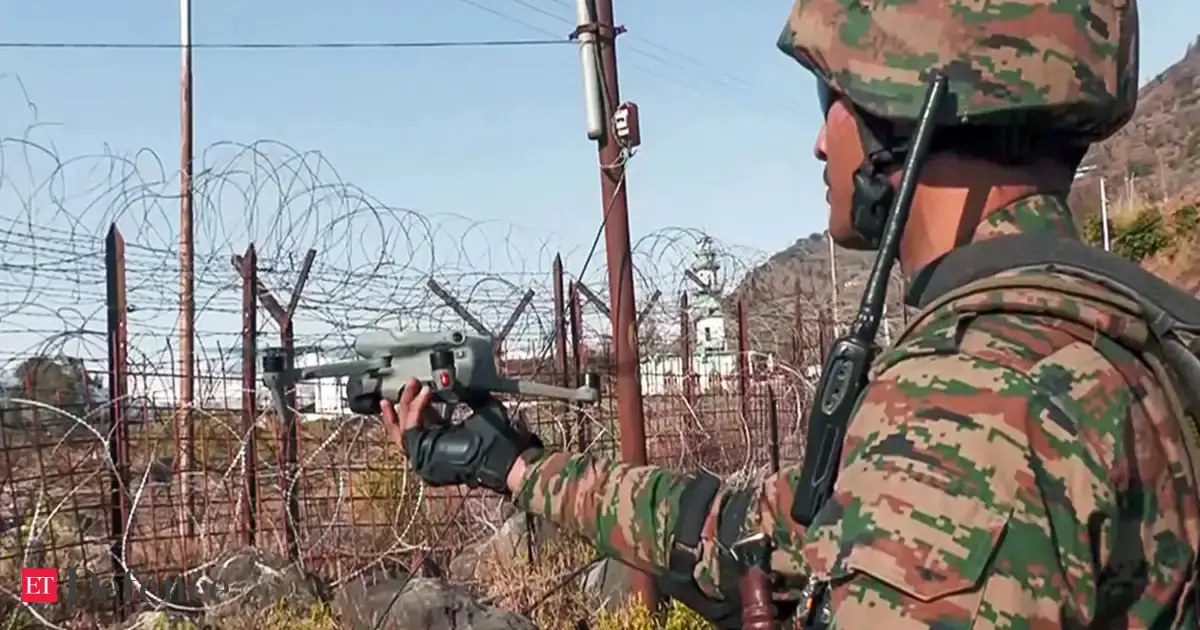
It underscores vulnerabilities across land, air and maritime domains, noting that border guarding forces and immigration authorities are equipped with advanced surveillance and monitoring technologies. Critical infrastructure – including power, railways, aviation, ports, defence, space and atomic energy – has been brought under strengthened protection frameworks.

8-page policy stresses attack prevention, swift response & coordination among agencies

The document also points to the evolving threat landscape, including cross-border sponsored terrorism, sleeper cells, and the use of drones for smuggling arms and explosives, particularly in Punjab and Jammu and Kashmir. Social media and instant messaging platforms are increasingly used for propaganda, recruitment and operational coordination.
Reaffirming India’s long-standing “zero tolerance” stance, the policy states that terrorism cannot be justified on religious, ethnic or ideological grounds. It reiterates India’s commitment to global cooperation in counter-terrorism efforts and its consistent position of standing firmly with victims of terror worldwide.
The policy also stresses the need for regular review and capacity-building, including training of law enforcement personnel, adoption of emerging technologies, and closer Centre-State coordination to ensure that the counter-terror architecture remains adaptive to evolving threats.