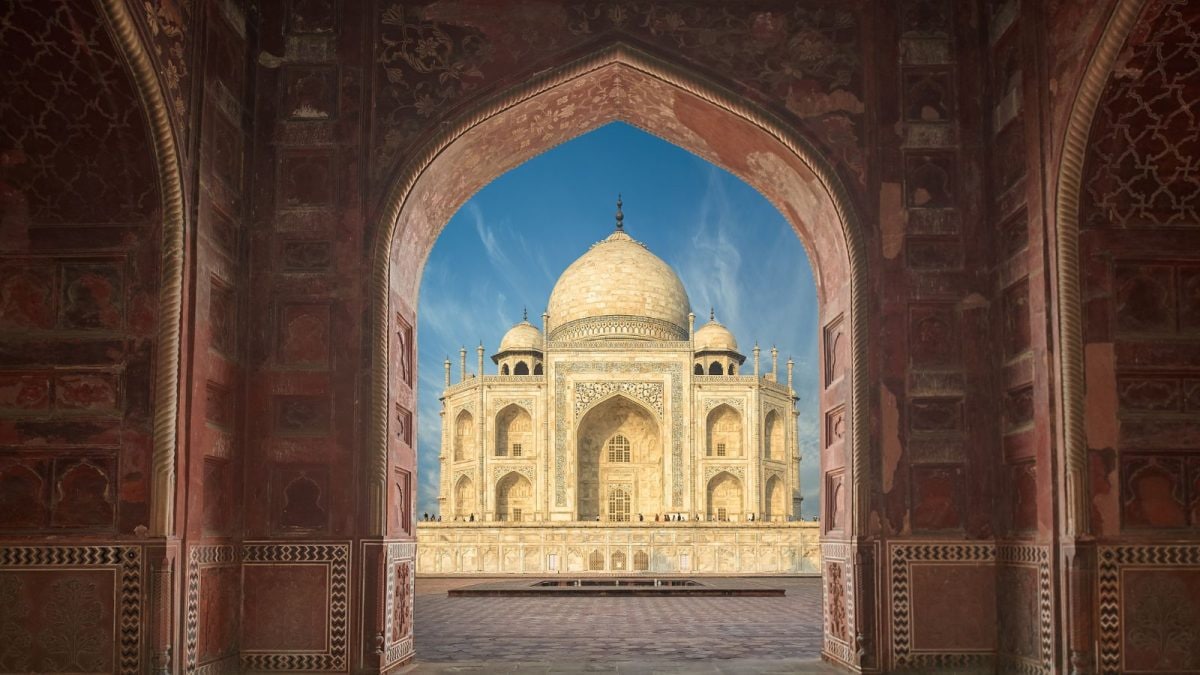











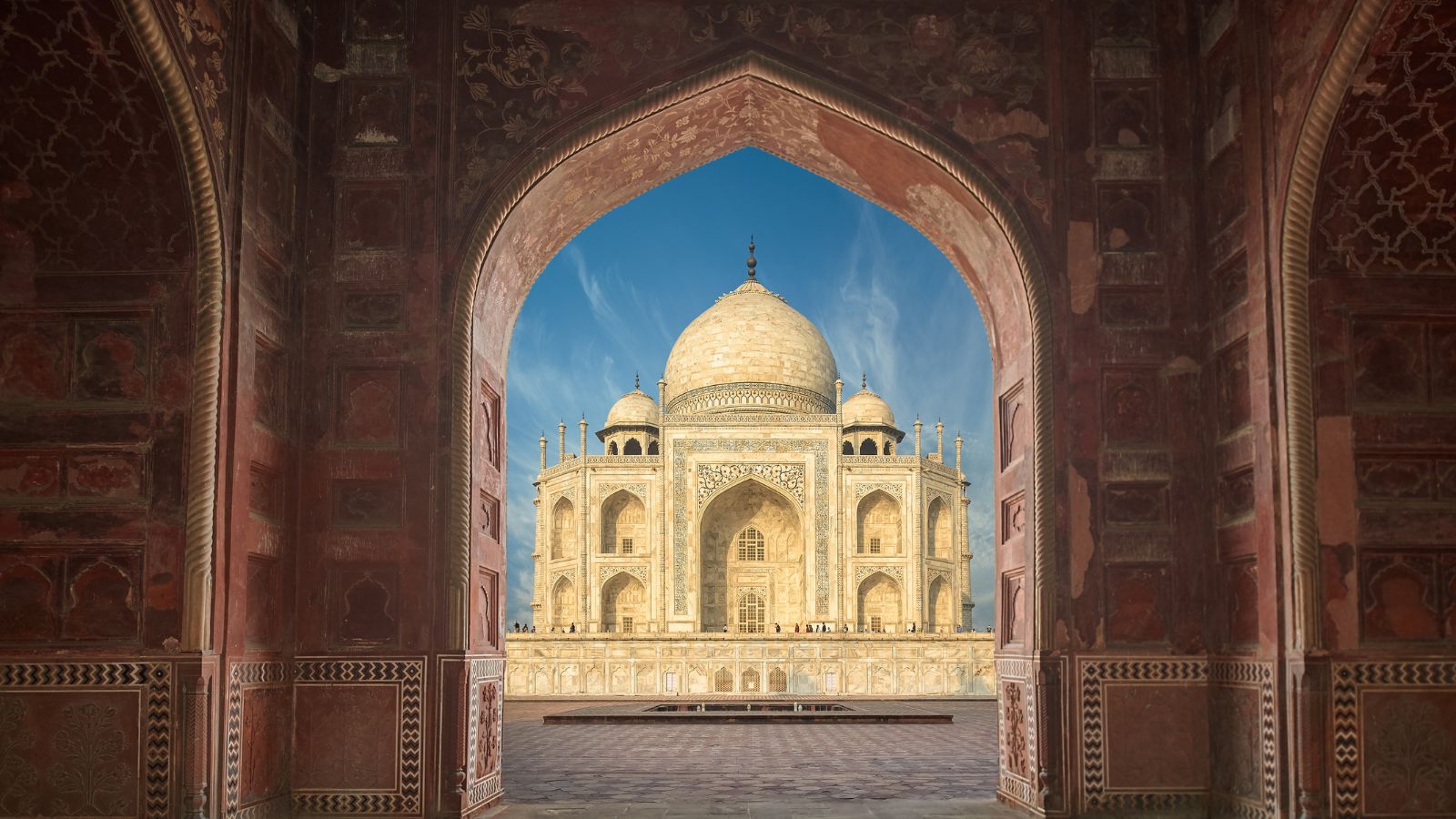
Love has always inspired art, poetry, and architecture, and some of the world’s most breathtaking monuments were born out of longing and remembrance. With Valentine’s Day around the corner, it feels fitting to look beyond the Taj Mahal – the most famous symbol of eternal love – and explore other architectural tributes that were built to honour lost love. These structures, scattered across continents, are not just feats of design but also poignant reminders of devotion, grief, and the human desire to immortalize affection in stone. (Image: Canva)
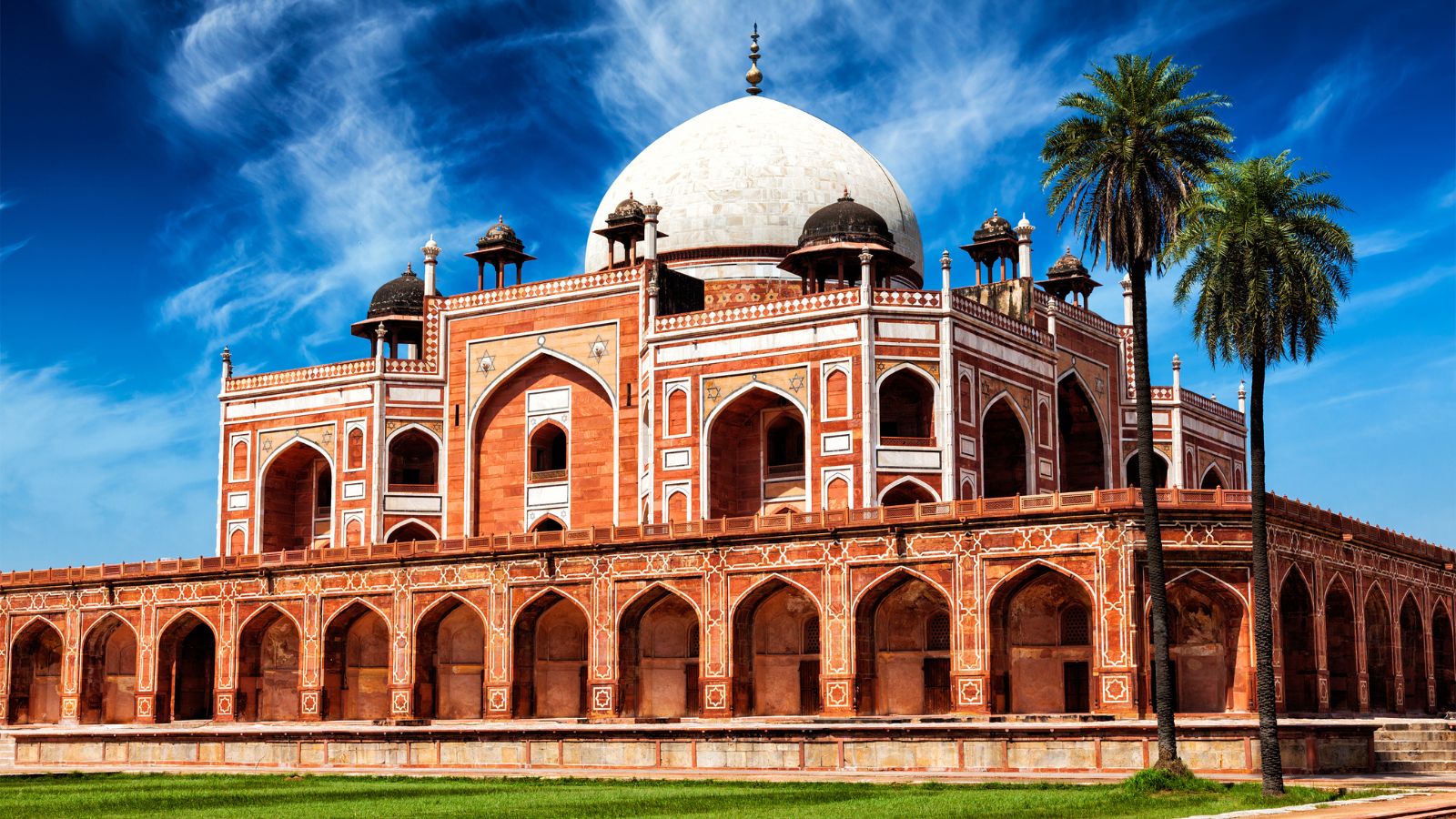
Humayun’s Tomb, India: Long before the Taj Mahal, Mughal architecture had already produced a monument of love. Humayun’s Tomb in Delhi was commissioned in 1569 by Empress Bega Begum in memory of her husband, Emperor Humayun. It was the first garden-tomb in India and inspired later Mughal masterpieces, including the Taj itself. Its Persian-style design, red sandstone, and symmetrical gardens make it one of the most romantic and historically significant tributes to lost love. (Image: Canva)
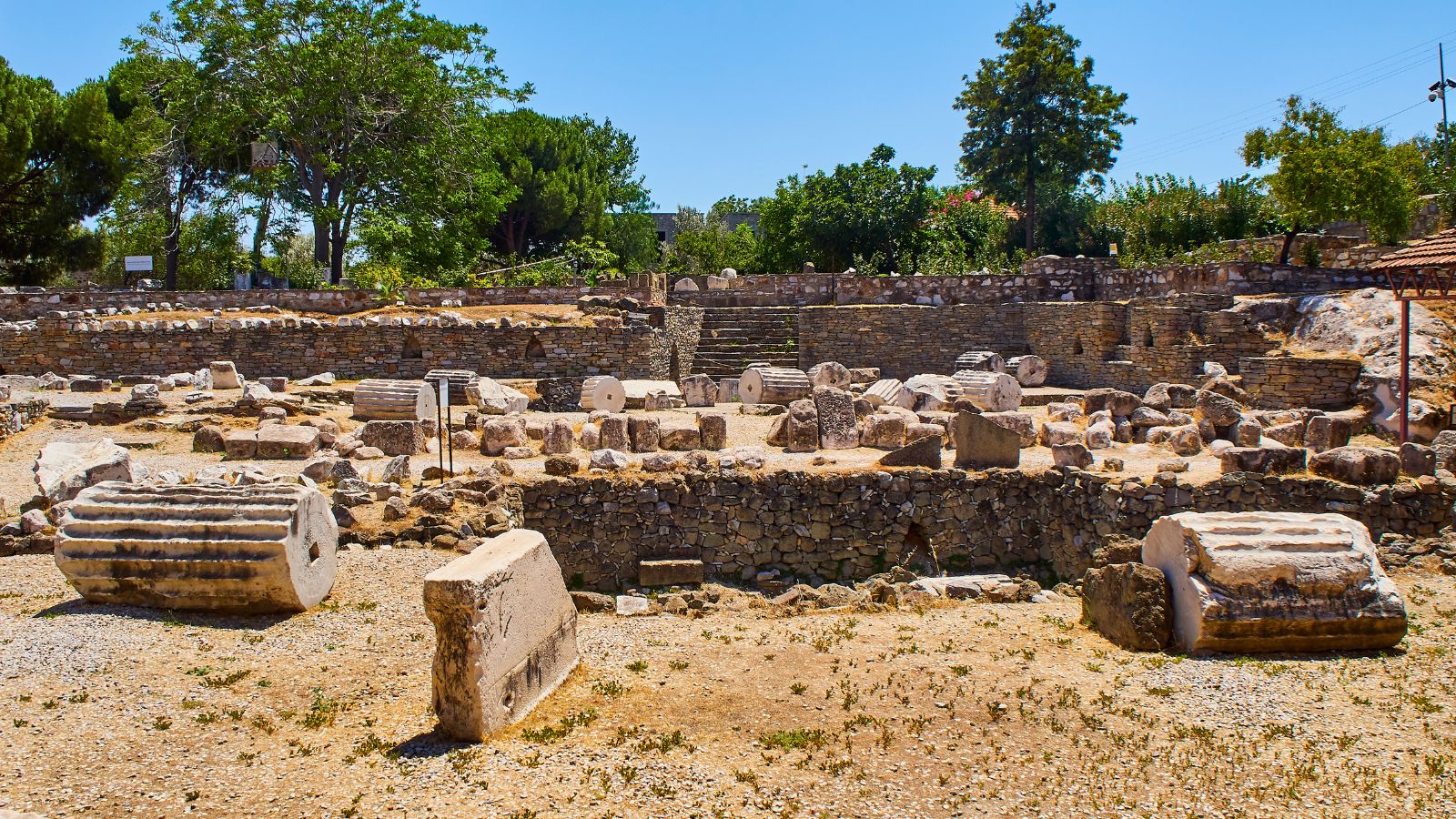
Mausoleum of Halicarnassus, Turkey: One of the Seven Wonders of the Ancient World, the Mausoleum of Halicarnassus was built in the 4th century BCE by Artemisia II in memory of her husband Mausolus. Rising nearly 45 meters high, it combined Greek, Egyptian, and Lycian architectural styles. Though it no longer stands in its original glory, its legacy lives on in the very word “mausoleum,” a term now used for monumental tombs worldwide. (Image: Canva)
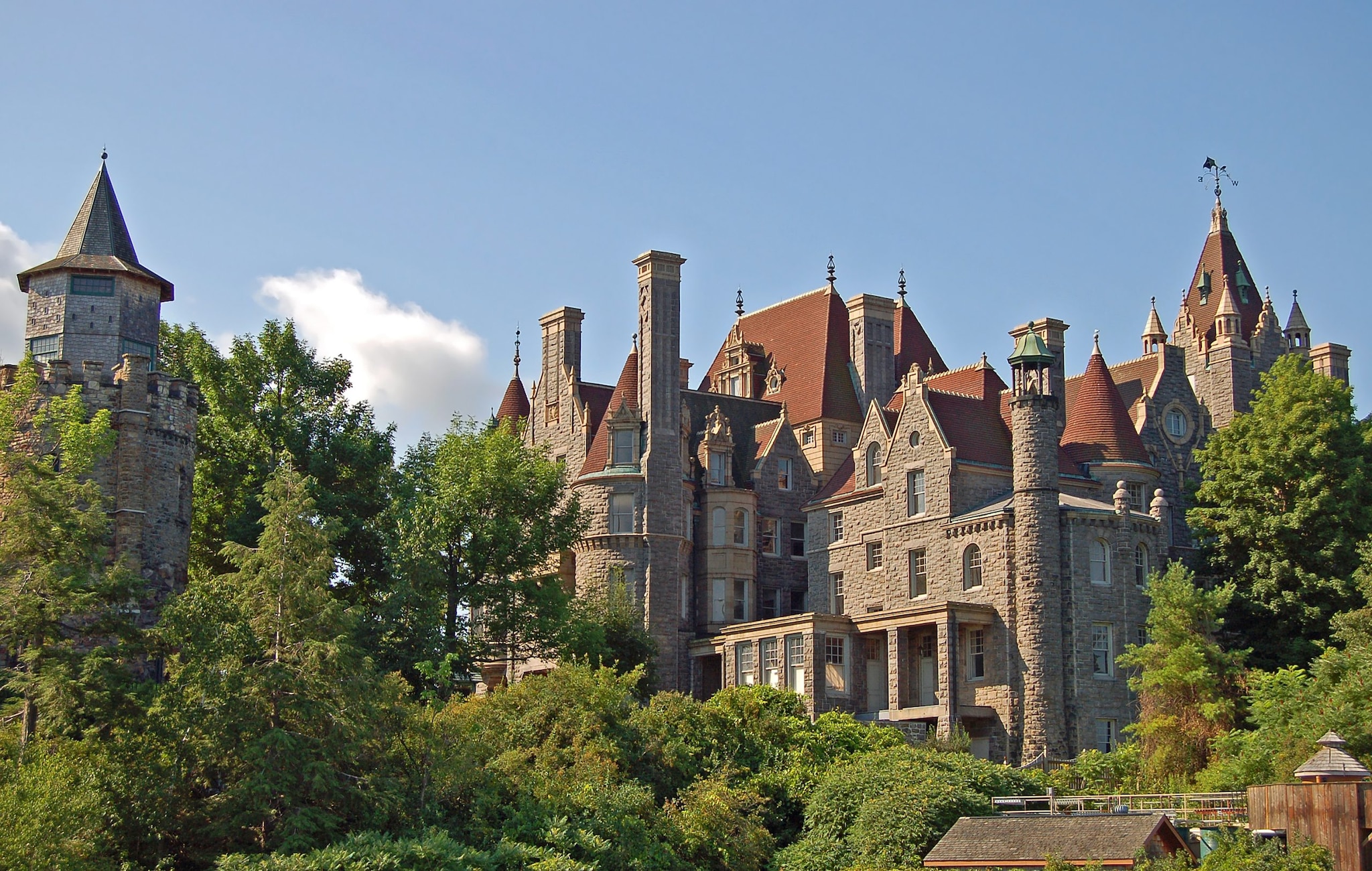
Boldt Castle, USA: On Heart Island in New York’s Thousand Islands region lies Boldt Castle, a grand structure commissioned by millionaire George C. Boldt for his beloved wife Louise. Construction began in 1900, but when Louise died suddenly, Boldt abandoned the project, leaving the castle incomplete. Today, restored and open to visitors, it stands as a hauntingly beautiful symbol of love interrupted. (Image: Wikimedia Commons)
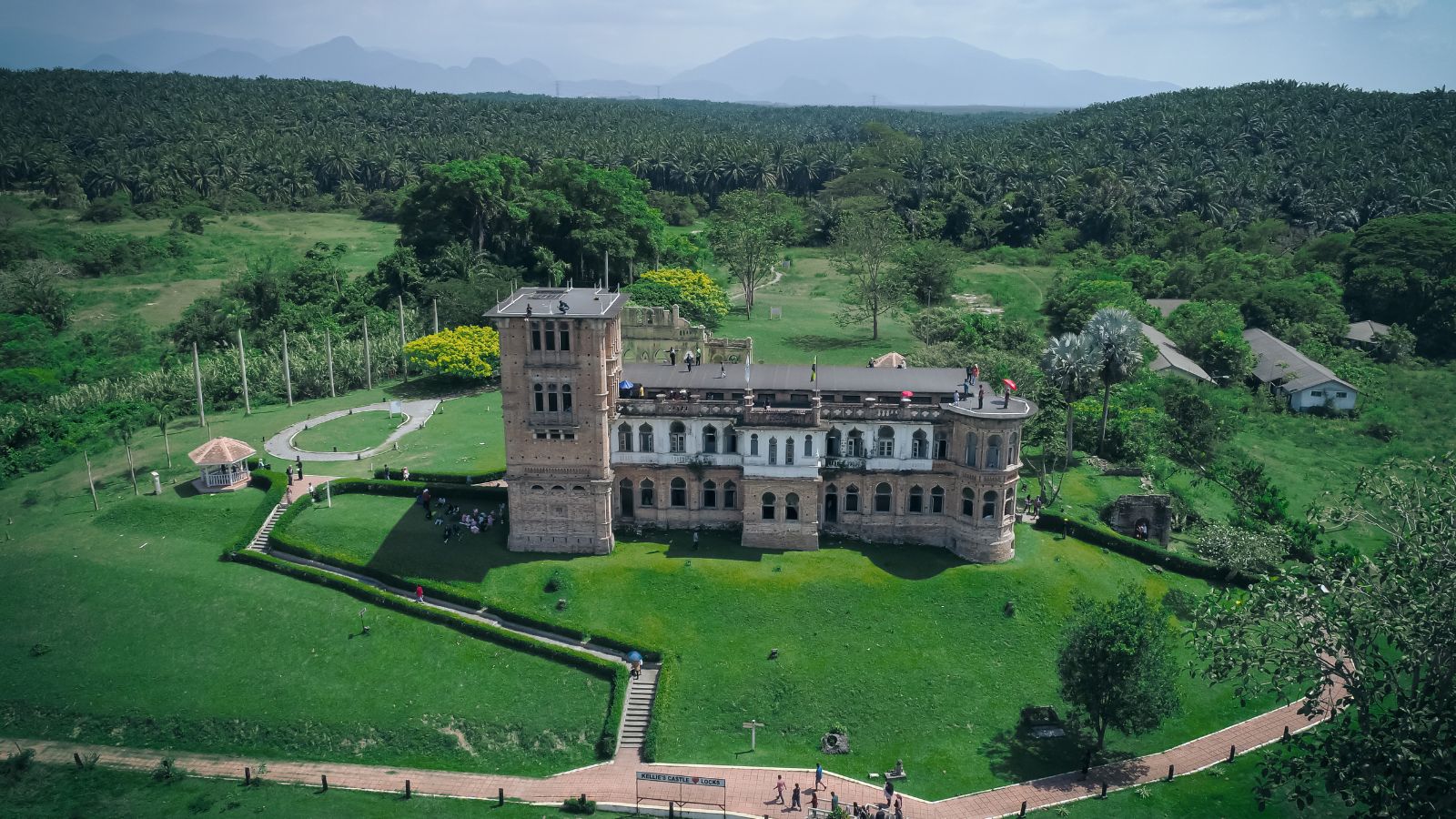
Kellie’s Castle, Malaysia: Built by Scottish planter William Kellie Smith in the early 20th century for his wife Agnes, Kellie’s Castle in Perak was meant to be a grand family home. Tragically, Smith died before its completion, and the castle was abandoned. Today, its unfinished corridors and arches are visited by travelers who see in its ruins a story of love cut short. (Image: Canva)
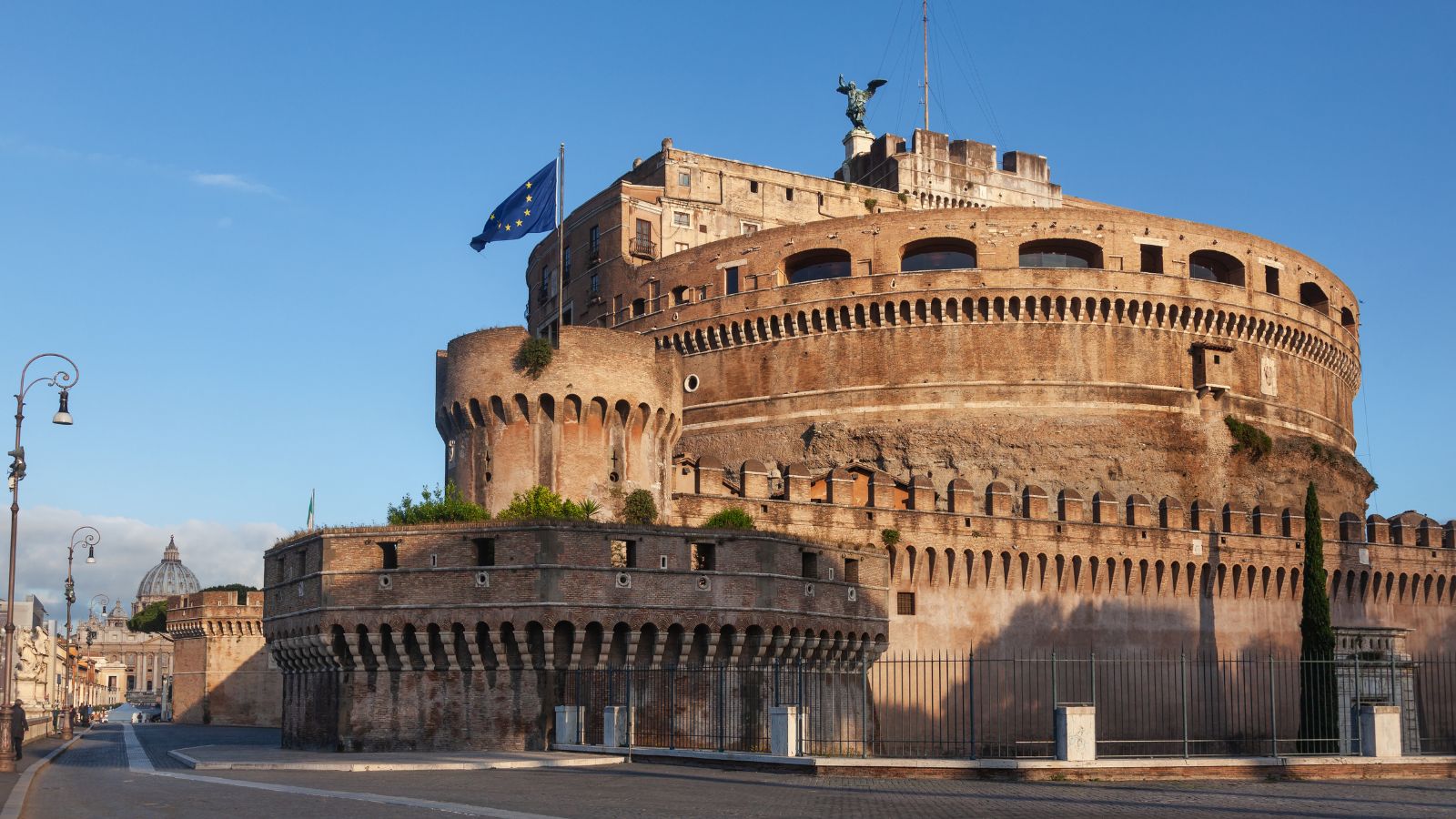
Mausoleum of Hadrian, Italy: Better known as Castel Sant’Angelo in Rome, this cylindrical fortress was originally commissioned by Emperor Hadrian as a mausoleum for himself and his family. Though not dedicated to a single lost love, it reflects the Roman tradition of monumental tributes to those dearest, and its enduring presence along the Tiber River makes it one of the city’s most romantic landmarks. (Image: Canva)
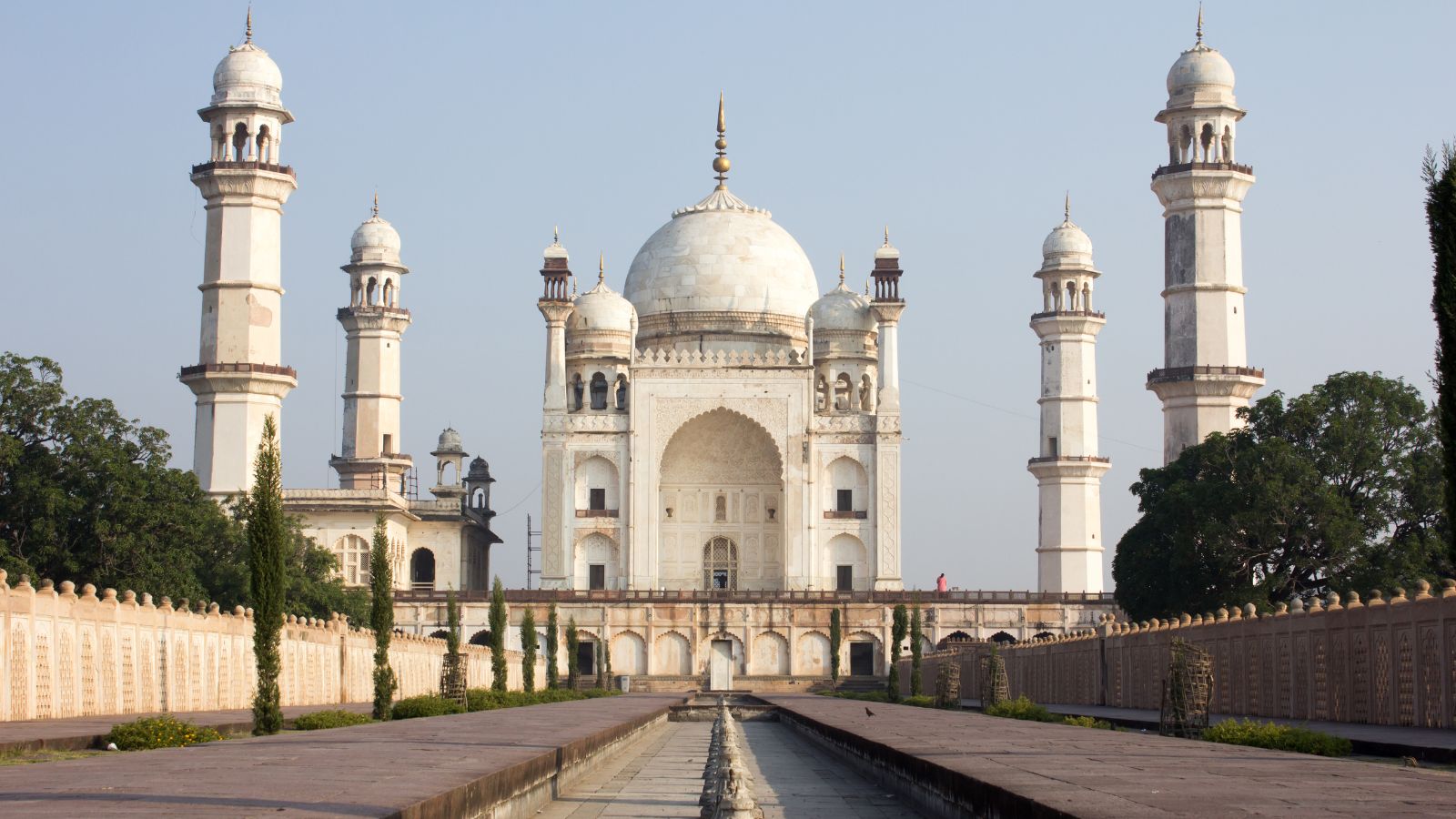
Bibi Ka Maqbara, India: Often called the “Mini Taj,” Bibi Ka Maqbara in Aurangabad was built by Mughal prince Azam Shah in memory of his mother, Dilras Banu Begum. While it resembles the Taj Mahal in design, it carries its own quiet charm, standing as a son’s tribute to maternal love and loss. (Image: Canva)
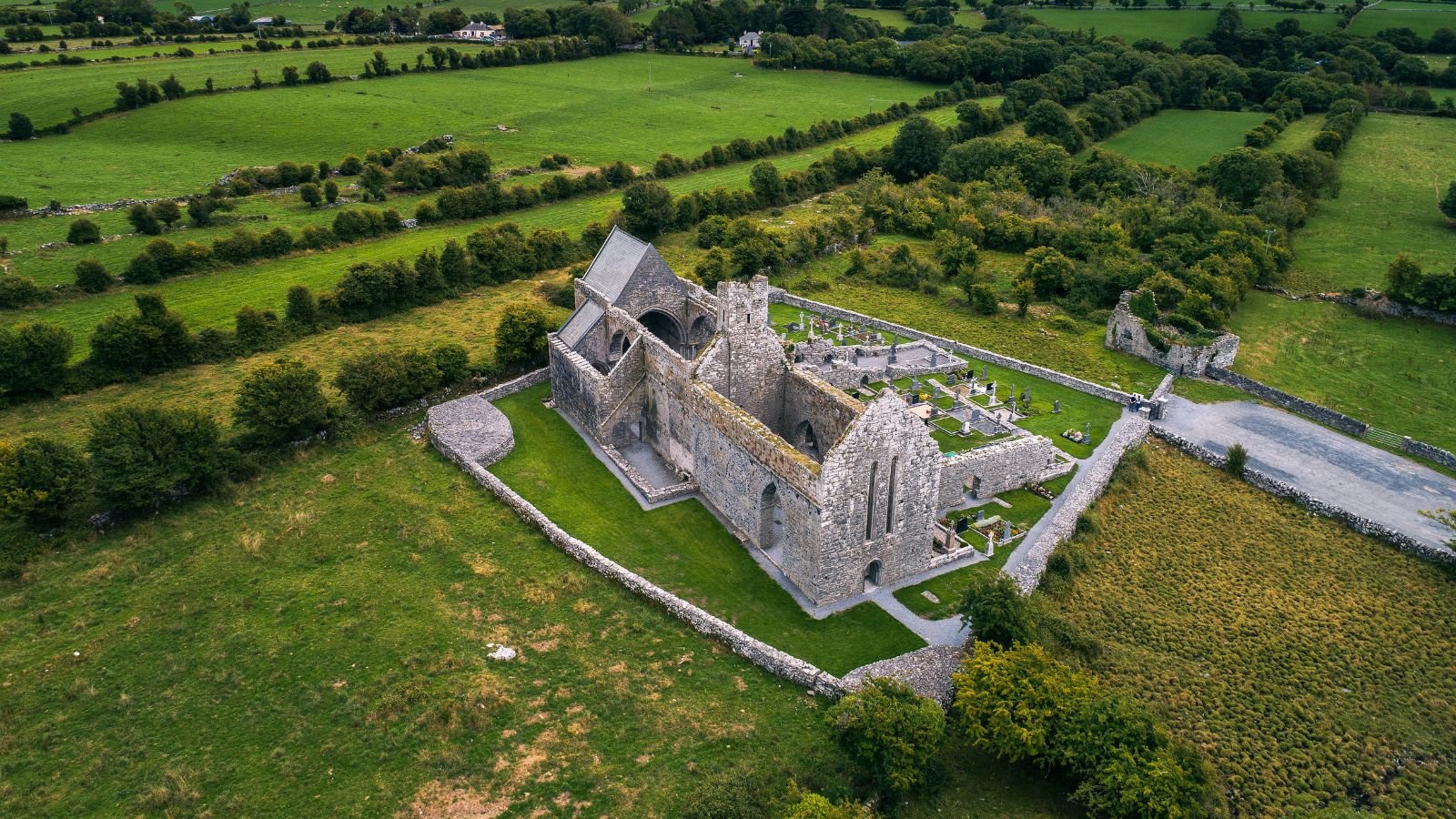
Corcomroe Abbey, Ireland: This 12th-century abbey in County Clare is said to house the tomb of King Conor O’Brien, who built it in memory of his wife. Though weathered by time, its stone ruins and tranquil setting evoke a sense of solemn devotion, making it a hidden gem for those who seek romance in history. (Image: Canva)
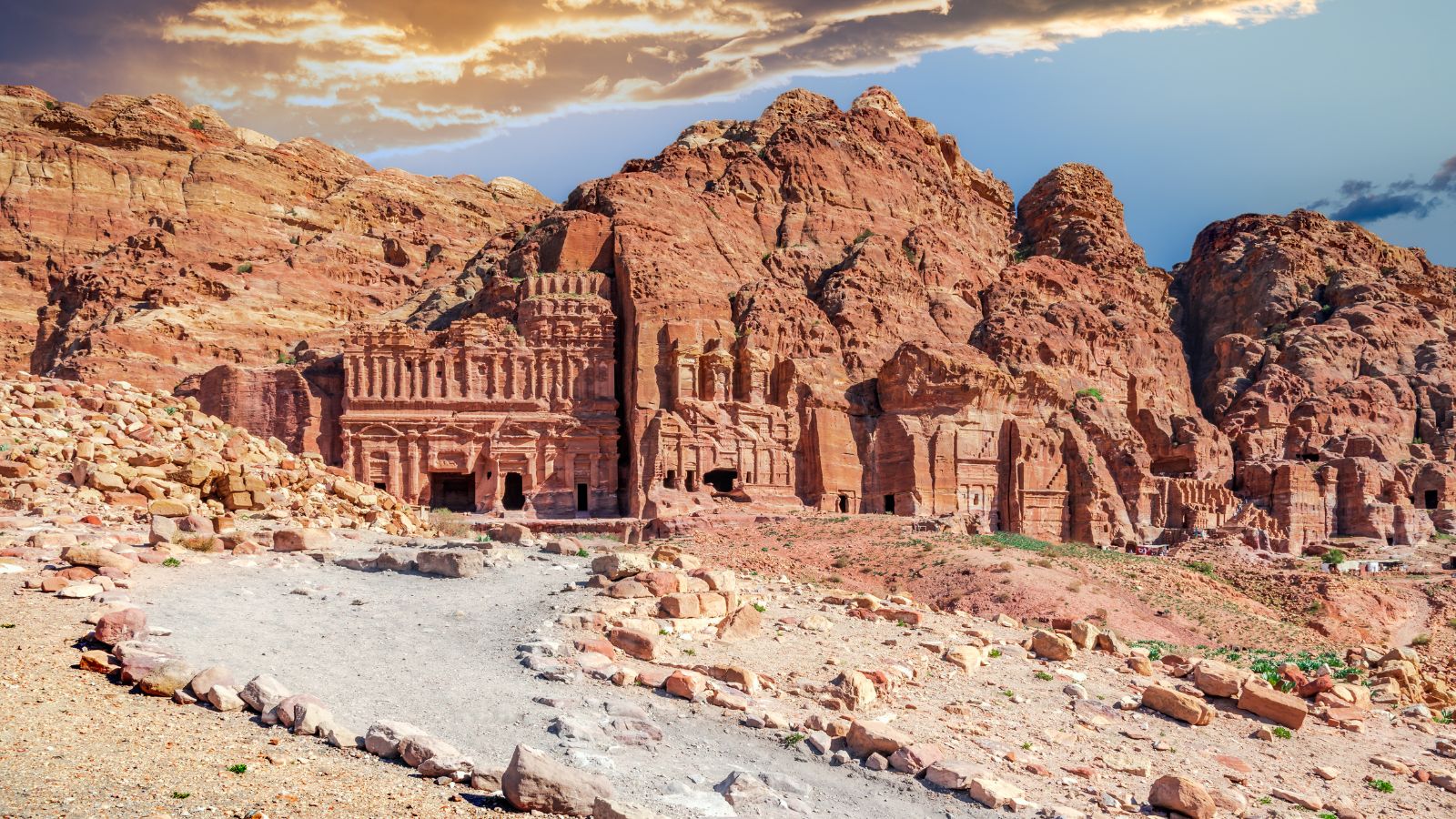
Petra’s Royal Tombs, Jordan: Among the many wonders of Petra, the Royal Tombs are believed to have been built as resting places for Nabataean kings and their families. Their ornate facades carved into rose-red cliffs speak of reverence and remembrance, echoing the timeless human impulse to honor loved ones through monumental beauty. (Image: Canva)
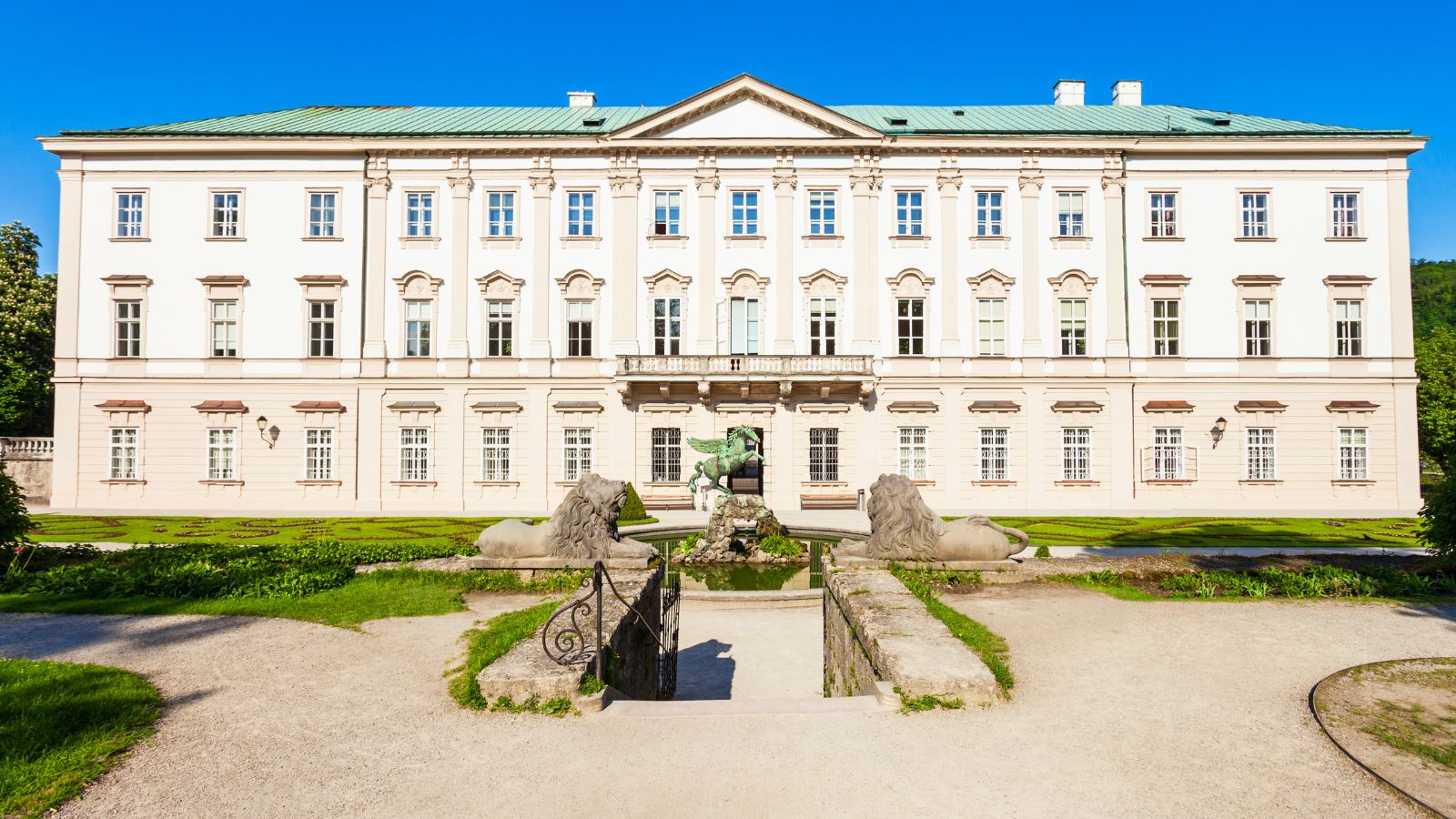
Mirabell Palace, Austria: In Salzburg, Mirabell Palace was built in 1607 by Prince-Archbishop Wolf Dietrich for his beloved Salome Alt, with whom he had a long and devoted relationship. The palace and its gardens are now a UNESCO World Heritage Site, famous for their baroque beauty and romantic atmosphere. The story behind its creation adds a layer of intimacy, making it not just a tourist attraction but a monument born of affection. (Image: Canva)