













LUCKNOW With the city’s bustling wedding season set to pick up pace from April 14, the ongoing LPG crisis stretching beyond 40 days has cast a heavy shadow over the festivities. Thousands of families, caterers and venue owners are now grappling with an unprecedented culinary challenge just as demand reaches its annual peak.

The scale of the upcoming season is massive. Between April and May, nearly 15,000 marriages are expected to take place across the city. Approximately 1,200 marriage lawns, hotels and banquet halls are already booked to capacity on auspicious dates. However, these venues, which rely heavily on commercial LPG cylinders to feed thousands of guests, are now engaged in a relentless struggle to secure enough fuel.
For families, the crisis has introduced a new layer of stress into wedding planning. Sandeep Singh, a resident of Alambagh preparing for his son’s wedding, reflects a mix of determination and concern. “While the flames of celebration may burn a little differently, they will not be extinguished,” he said.
Like many others, he is cutting down on dishes that require extensive gas usage and relying on personal networks to arrange LPG cylinders. With support from neighbours and friends, he has managed to secure a few cylinders, offering some relief amid uncertainty. Yet, his situation underscores a broader reality: weddings will go on, but not without compromises.
Families are finding ways to adapt — whether through cost-cutting, menu adjustments or alternative cooking methods — ensuring that the essence of the occasion is preserved.
Behind the scenes, marriage lawns and banquet halls are under immense pressure. Mohammed Usman, who runs a marriage lawn on Hardoi Road, said: “Earlier, LPG distributors would approach us to supply cylinders. Now, we are the ones chasing them.”
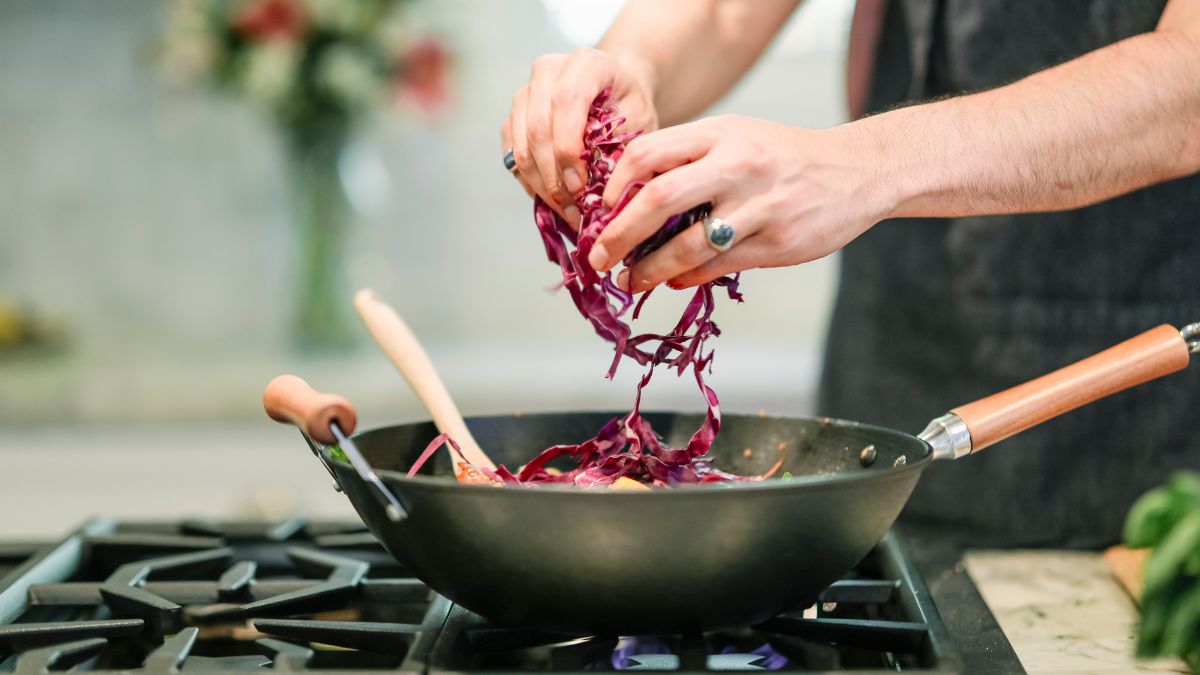
Caterers, who form the backbone of wedding celebrations, are among the worst hit. Vijay Kumar, president of the Uttar Pradesh Tent and Caterers Association, explains that cooking for a gathering of 250 people typically requires at least six to eight LPG cylinders. But now it is managed with only four cylinders because traditional cooking methods — once replaced by LPG — are making a comeback.
Coal, cowdung cakes, firewood, kerosene and even diesel are being used as alternative fuels. While these adjustments allow caterers to deliver services, they come with significant drawbacks.
Moreover, these improvisations increase operational costs. Yet, for many in the industry, the stakes are too high to step back. Weddings are seasonal, and missing out on business during this crucial period could mean substantial financial losses, said Kumar.
Industry representatives remain cautiously optimistic. Shyam Kishnani, joint secretary of the UP Hotels and Restaurants Association, notes that some relief may be on the horizon. Hotels and restaurants, particularly in areas like Gomti Nagar, are expecting piped natural gas (PNG) connections in the coming days. If implemented in time, this could significantly ease the burden on LPG supplies and provide a more stable alternative for large kitchens.
Recognising the urgency of the situation, oil companies are taking steps to stabilise supply ahead of the peak season. If sources are to be believed, plans are underway to release an additional 2,00,000 LPG cylinders across the state to meet the surge in demand. These extra supplies are expected to be distributed strategically, focusing on high-demand areas and wedding venues. However, the method of distribution is yet to be decided.
Officials have expressed confidence that the situation will improve in the coming days. An oil company official indicated that LPG supply is gradually stabilising and is likely to improve further by mid-April. He also emphasised that oil companies are preparing extensively for the wedding season, with meetings planned to ensure efficient distribution of additional cylinders. The issue is also flagged to higher authorities in Mumbai and Delhi.
Black market lifeline:
Marriage lawns and banquet halls, heavily reliant on commercial cylinders, are facing mounting pressure, forcing many to turn to illegal supply channels to keep their kitchens running.
A ground check by HT revealed that several marriage hall owners and caterers are hesitant to speak openly for fear of repercussions, though many admitted to sourcing domestic LPG cylinders through the black market to stay afloat.
One such operator, who runs a marriage lawn, said he has not taken a commercial LPG connection for his establishment. “For over two years, we have been managing by buying domestic cylinders in black at around ₹1,300 each earlier. But now, due to the shortage, even that option is drying up. On multiple requests, we managed two cylinders for ₹5,500,” he said.
He added that he has a booking on April 20 for a gathering of around 250 guests. “For 20 days, I have been trying hard but could arrange only two cylinders. As backup, I am using my household cylinder and have arranged coal and wood for cooking,” he said.
The situation is no better in other parts of the city. Another person, who runs a small banquet, described the crisis as “pathetic” for business owners.
A staff member at the same banquet, who also works as a chef, revealed that the establishment has only two commercial LPG cylinders due to high costs. “We usually arrange additional cylinders from the black market, but now it has become very difficult. We are somehow managing and plan to cook some items on a clay furnace,” he added.
Meanwhile, residents preparing for weddings are also feeling the strain. Shashi Bajpai, who lives near Engineering College and is set to marry his son on April 24, said he had concerns about the shortage but managed to arrange cylinders through relatives and neighbours. “For the wedding function, the responsibility lies with the caterers,” he added.