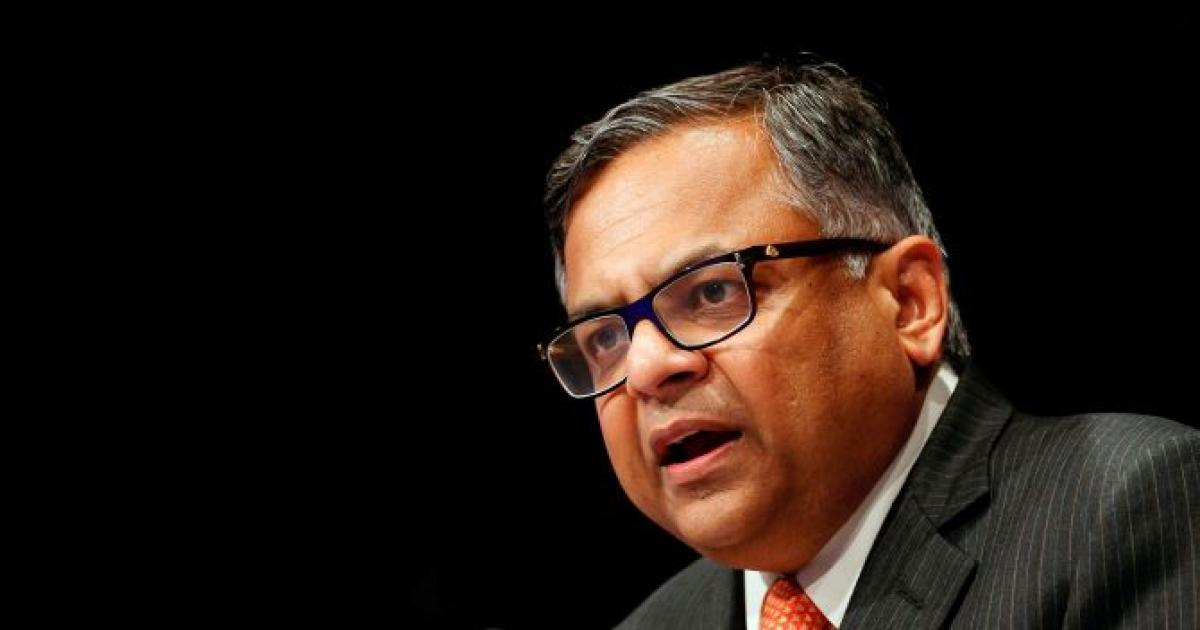















The Tata Sons board’s postponement of Natarajan Chandrasekaran’s chairmanship renewal signals internal debates over company performance and strategic direction, including concerns raised by Noel Tata regarding losses in certain group companies.

Photograph: Danish Siddiqui/Reuters
Key Points
- Tata Sons board deferred the decision on Natarajan Chandrasekaran’s re-appointment as Chairman, indicating internal disagreements.
- Noel Tata, Chairman of Tata Trusts, expressed concerns regarding losses in specific Tata group companies.
- Chandrasekaran has been credited with steering Tata Group through restructuring and significant revenue and profit growth.
- Strategic decisions during Chandrasekaran’s tenure include plans for a semiconductor fabrication facility and the acquisition of Air India.
- Tata Trusts holds a 66% stake in Tata Sons, giving it significant influence over the group’s strategic decisions.
The board of Tata Sons on Tuesday deferred a decision on the re-appointment of Natarajan Chandrasekaran for a third term as Chairman, according to sources, signalling potential differences within the holding company of the coffee-to-cars-and-software conglomerate.
The board at its meeting here did not take any call on extending Chandrasekaran’s term beyond the current one ending in February 2027, they added.
While no official statement was issued immediately following the meeting, sources said Noel Tata,
Also read: Will Tata Sons Go Public?
Chairman of Tata Trusts, which owns 66 per cent in Tata Sons, raised concerns about losses in certain group companies.
Sources said Noel Tata was also not in favour of the listing of Tata Sons and wanted a written commitment.
Chandrasekaran, 62, received backing of several board members who felt the losses at one group company should not eclipse the group’s overall performance or the chair’s contribution over the years. Some directors called for a vote, but Chandrasekaran urged a deferral.
Chandrasekaran’s Rise and Achievements at Tata Group
Joining Tata Group in 1987, Chandrasekaran rose through the ranks to become the CEO of Tata Consultancy Services – the IT firm of the Tata Group – before taking charge as Tata Sons’ chairman in February 2017.
Chandrasekaran is widely credited with steering the diversified conglomerate through a period of restructuring and consolidation.
Under him, Tata Group’s 15 largest listed companies almost doubled revenue and profits.
His tenure has been marked by a series of high-stakes strategic bets – from advancing plans to establish India’s first homegrown semiconductor fabrication facility to taking over of loss-making Air India and steering cash engine Tata Consultancy Services through the sweeping disruption triggered by artificial intelligence.
Tata Group’s History and Leadership Transitions
Founded in 1868 in Mumbai by Parsi industrialist Jamsetji Nusserwanji Tata, the Tata Group remained under the leadership of the Tata family for most of its 156-year history.
In 2012, Ratan Tata stepped down as chairman, handing over the reins to Cyrus Mistry of the Shapoorji Pallonji Group.
A dramatic boardroom fallout in 2016 led to Mistry’s abrupt removal by Tata Sons, in a move widely seen as a coup engineered by Ratan Tata. A lifelong bachelor with no children, Ratan Tata had no direct heir within the family to succeed him.
Mistry died in 2022, but the Shapoorji Pallonji Group continues to hold an 18 per cent stake in Tata Sons, making it the largest minority shareholder.
Following Ratan Tata’s death in 2024, his half-brother Noel Tata was appointed Chairman of Tata Trusts, the principal shareholder of Tata Sons.
Tata Trusts and Tata Sons’ Structure
Tata Trusts holds a 66 per cent stake in Tata Sons, giving it decisive influence over key strategic and governance decisions at the apex holding company of the Tata Group.
Tata Sons, in turn, oversees a portfolio of around 30 operating companies spanning various sectors, such as consumer goods, automobiles, information technology and aviation. Major group entities include Jaguar Land Rover, Tata Consultancy Services, Tata Motors and Air India.
The ownership structure places Tata Trusts at the centre of governance for the diversified conglomerate, with Tata Sons functioning as the principal investment holding and promoter entity for group companies.