






















Last Updated:
Single-door, double-door, frost-free cooling, inverter compressors, convertible storage and side-by-side models. Here’s what actually matters before you buy a refrigerator in 2026




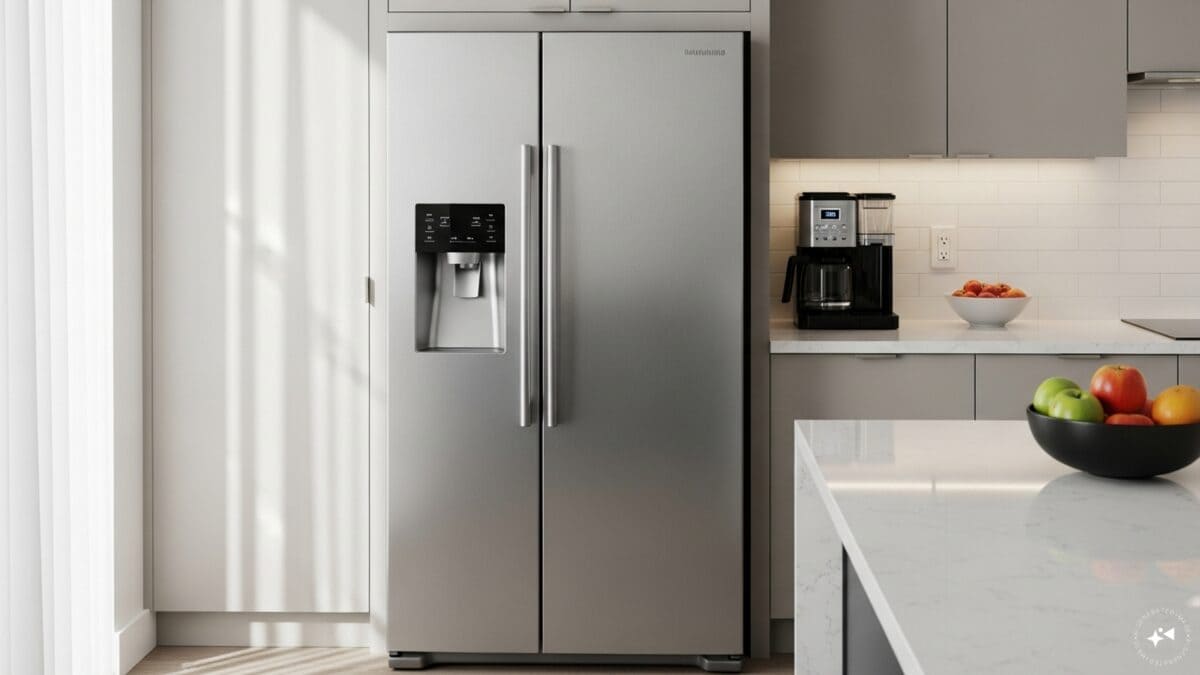
The fridge market is vast, diverse and getting smart. (Photo: AI generated)
Most people don’t think about their refrigerator until it starts annoying them.
Maybe you’re constantly playing Tetris with grocery bags on Sunday evening. Maybe the vegetable drawer is always overflowing. Maybe the freezer is packed with ice cream, frozen peas and leftovers, leaving no room for anything else. Or maybe you’re replacing a refrigerator that’s been sitting in the kitchen for so long that you haven’t looked at the market in a decade.
That’s when the confusion begins.
A few years ago, buying a refrigerator was mostly about size and budget. Today, you’re expected to choose between direct-cool and frost-free models, inverter compressors, convertible cooling, side-by-side designs, smart features and enough marketing jargon to make the whole thing feel more complicated than it needs to be.
The good news is that most refrigerators sold today can cool food perfectly well.
The challenge is finding one that fits the way you actually live.
Before looking at brands, discounts or flashy features, think about three things: How often do you shop for groceries? How much fresh food do you keep at home? And when was the last time you wished your current refrigerator was bigger or smaller?
The answers to those questions matter more than most brochures.
How big a refrigerator do you actually need?
One of the easiest ways to waste money is buying a bigger refrigerator than you’ll ever use. One of the easiest ways to regret a purchase is buying less.
The mistake many people make is choosing capacity based only on the number of people in the house.
But two households with four people can have completely different storage needs.
If you stop by the market every evening, cook fresh food daily and rarely store leftovers, your refrigerator doesn’t need to work very hard.
If you do one large grocery run every week, stock up on beverages, keep frozen food at home and meal-prep for several days, you’ll need significantly more space.
Think about what happens after a grocery run. Does your current refrigerator feel comfortably organised? Or do you immediately start moving containers around to make everything fit?
That’s usually your answer.
As a rough guide:
– 180-250 litres: One or two people
– 250-400 litres: Small to medium families
400 litres and above: Larger families, bulk shoppers or serious home cooks
The goal isn’t to buy the largest refrigerator you can afford. It’s to buy the one that matches the way you store food.
Don’t forget to measure your kitchen space first
Many refrigerator buying mistakes happen before the appliance is even switched on. Buyers focus on capacity and features but forget to check whether the refrigerator actually fits comfortably inside the kitchen.
Before buying, measure:
– Kitchen entry doors
– Elevator space in apartments
– The area where the refrigerator will be placed
– Door-opening clearance on both sides
Side-by-side and four-door refrigerators especially require more room for ventilation and wider door movement. A refrigerator that technically fits into the kitchen can still become frustrating to use if the doors cannot open fully.
Manufacturers also recommend leaving ventilation gaps around the refrigerator for proper airflow and cooling efficiency.
Will you outgrow a single-door refrigerator?
Many people dismiss single-door refrigerators before they’ve even looked at them. That’s often a mistake.
If you live alone, share an apartment or live as a couple, a good single-door refrigerator may do everything you need. They’re affordable, efficient and surprisingly practical when your grocery habits are relatively simple.
Where things start changing is when life changes.
You start buying larger quantities of food. Guests stay over more often. Frozen food becomes a regular part of your shopping. Suddenly the refrigerator that felt spacious on day one feels crowded by the end of the week.
That’s usually when people begin looking at larger models.
The trade-off with single-door refrigerators isn’t cooling performance. It’s flexibility. You get less freezer space, less organisation and usually manual defrosting.
If none of those things bother you, a single-door refrigerator can still be a perfectly sensible purchase.
What happens during power cuts?
This matters more in India than many buyers realise.
A refrigerator does not stop losing cold air immediately after the electricity goes out. Better insulation and well-sealed doors can help retain cooling for several hours, especially if the door remains closed.
Larger refrigerators and models with better insulation generally maintain temperatures longer during outages. However, many people misunderstand inverter technology here.
An inverter compressor improves efficiency and cooling stability. It does not keep the refrigerator running during a power cut unless connected to an inverter or backup power source.
Why do so many people end up with a double-door refrigerator?
Because it solves a lot of small frustrations before they become big ones.
If you’ve ever had to defrost a freezer manually, you’ll understand the appeal immediately.
A double-door refrigerator gives you a separate freezer compartment, more usable storage and, in most cases, frost-free cooling.
The experience feels less cramped. You stop worrying about where to put the large pot of leftovers from dinner. Grocery shopping becomes easier because there is room to store everything properly.
A double-door refrigerator also gives you a bit of breathing room. You may not need all the extra space today. There’s a good chance you’ll appreciate it a few years from now.
This is also where you’ll find some of the strongest value in the market. Not the cheapest refrigerators. Not the most expensive. Just the point where convenience, capacity and price tend to balance well.
Is convertible cooling actually useful or just another feature?
A lot of refrigerator features sound impressive in advertisements. Some of them make very little difference once the refrigerator arrives home.
Convertible cooling is not one of those.
Think about what happens before a festival, birthday party or family gathering. The refrigerator suddenly fills up with desserts, drinks, leftovers, ingredients and things that weren’t there a week earlier.
That’s where convertible cooling starts making sense. It allows sections of the refrigerator to switch functions depending on what you need.
More freezer space one month. More refrigerator space the next.
Will you use it every day? Probably not. Will you be glad it’s there when you need it? Very possibly.
That’s why it belongs in the useful category rather than the gimmick category.
Do you really need a side-by-side refrigerator?
Walk into any appliance showroom and you’ll probably notice the side-by-side models first.
They’re large, premium-looking and difficult to ignore. They’re also expensive.
The question isn’t whether they’re good. Many of them are excellent. The question is whether they’re solving a problem you actually have.
If your current refrigerator constantly feels too small, if you buy groceries in bulk, if you store a lot of frozen food or if you regularly cook for large groups of people, the extra space can be genuinely useful.
But if you’re buying one mainly because it looks impressive, it’s worth pausing for a moment.
Open your current refrigerator. How much of it is genuinely full most of the time? If you’re rarely running out of space today, a side-by-side refrigerator may offer less practical benefit than you think.
Why people stop wanting to defrost freezers
When comparing refrigerators, cooling technology often gets ignored. It shouldn’t.
Direct-cool refrigerators are usually cheaper. They cool effectively and often consume slightly less electricity.
The catch appears later. Ice starts building up. At first it doesn’t seem like a big deal. Then one day you realise the freezer needs attention again.
This is where frost-free refrigerators earn their reputation. Instead of allowing ice to accumulate, they circulate cold air throughout the cabinet and prevent frost from building up.
The benefit isn’t better cooling. It is convenience. Years from now, you’ll probably appreciate not having to think about defrosting at all.
Why stabiliser-free operation matters
Voltage fluctuations remain common in many Indian homes, especially during summer months.
Most modern refrigerators now support stabiliser-free operation within a specified voltage range. This protects the compressor from regular fluctuations without requiring a separate external stabiliser.
However, homes facing extremely unstable electricity conditions may still benefit from using an additional stabiliser, particularly with larger premium refrigerators.
Delhi, India, India
Read More