




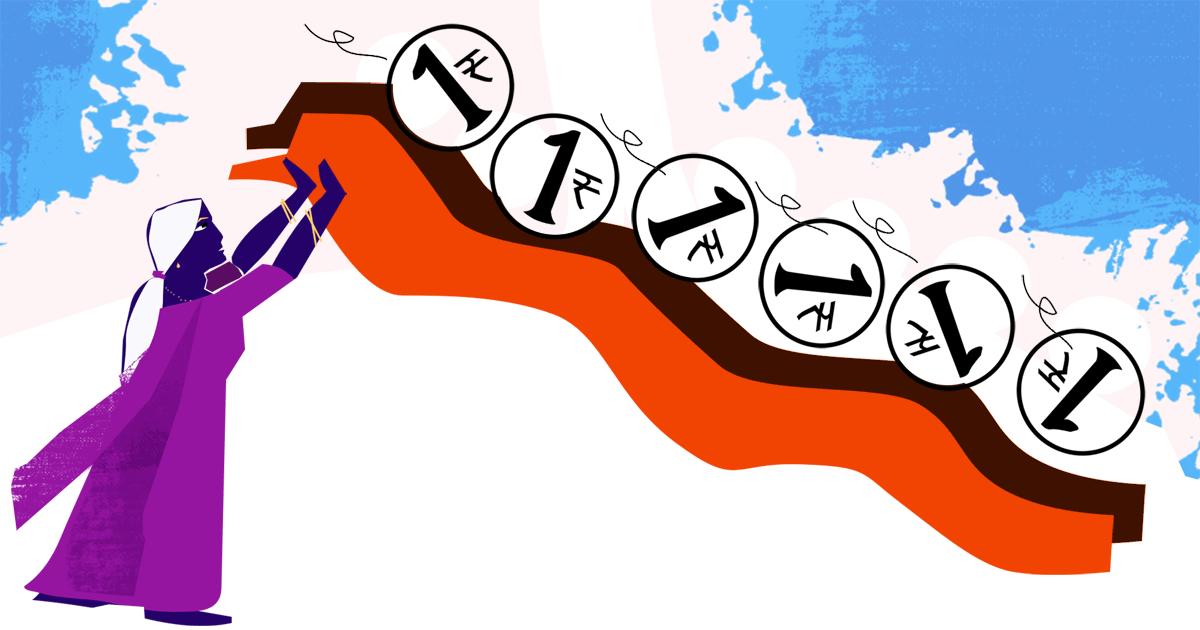











“The strong momentum shown by the market in April has slowed down in May after the first wave of eligible patients was onboarded following launch of lower-cost alternatives,” said Sheetal Sapale, vice president, commercial, PharmaTrac.
The flattening has happened earlier than is typical of generic launches — sales usually take three to four months to stabilise.
A key factor is original patent holder Novo Nordisk slashing prices of its semaglutide products Ozempic and Wegovy just as generics sought to swamp the market. Doctors said generic semaglutide demand has moved beyond early adopter surge and is now entering a slower, education- and infrastructure-driven growth phase. Physician training, patient counselling and affordability will be key determinants of future uptake, they said.


“The initial euphoria is coming down,” said Neeraj Tulara, a Mumbai-based diabetologist and general medicine expert. “The pricing difference between generic semaglutide and the innovator molecule from Novo Nordisk is not very significant. Hence, many are preferring to opt for the original molecule.”
India’s anti-obesity market, now worth over `1,900 crore, has become one of the country’s fastest-growing therapy segments. Semaglutide and tirzepatide together account for more than 90% of the market and have attracted intense competition since the former lost patent protection at end of March. Eli Lilly’s tirzepatide, sold under the Mounjaro brand name, is still under patent.“The easiest patients… the ones who come in with the mindset of innovator molecules Mounjaro or Wegovy, have already been converted… and in terms of doctors, the early adopters were us — obesity specialists, diabetologists, as well as affluent patients,” said leading diabetologist Rajiv Kovil.
“The next wave of adopters will be driven by physicians, gastroenterologists, pulmonologists and cardiologists, but there, the ecosystem needs to develop in terms of training of support staff inside the clinics who know how to administer the injections,” he said.
Doctors also attributed the slowing of sales to patient drop-offs after initial uptick in the first month.
“The majority of the time, discontinuation is related to poor counselling,” said Kovil. “Also, on the affordability front, even a cost price of Rs 2,000 per month is expensive by Indian standards… especially for tier II-III (city and town) patients, it’s an expenditure.
While cheaper than Novo Nordisk’s products, generic semaglutide costs Rs 2,000-4,000 for a month’s treatment, which is high by Indian standards in terms of affordability. Other factors include a limited base of eligible patients and stringent government advisories, said Sapale.
Growth in the generic semaglutide market will be gradual, experts said. “Slowly, the incremental value of prescribers will go up,” said Kovil. “That will come with their own experience, training of staff… the ecosystem will evolve over a period of time, but this may take up to a year or two.”
At the same time, tirzepatide has staged a recovery despite fears that cheaper semaglutide versions would cannibalise demand. Monthly sales of tirzepatide (Mounjaro and Yurpeak) recovered from Rs 114 crore in March to Rs 136 crore in May, effectively returning to levels seen before the generic disruption. Since its launch in March 2025, Mounjaro has recorded cumulative sales of about Rs 1,200 crore.
Tulara said that Mounjaro has positioned itself as a superior brand while maintaining higher pricing. In addition to GLP-1, Mounjaro also acts on GIP receptors, leading to better outcomes than semaglutide, according to trials thus far. Data shows that around 35 semaglutide brands from 17 companies are currently competing for share. Experts flag the risk of inventory build-up if aggressive primary stocking is not matched by consumer demand.