










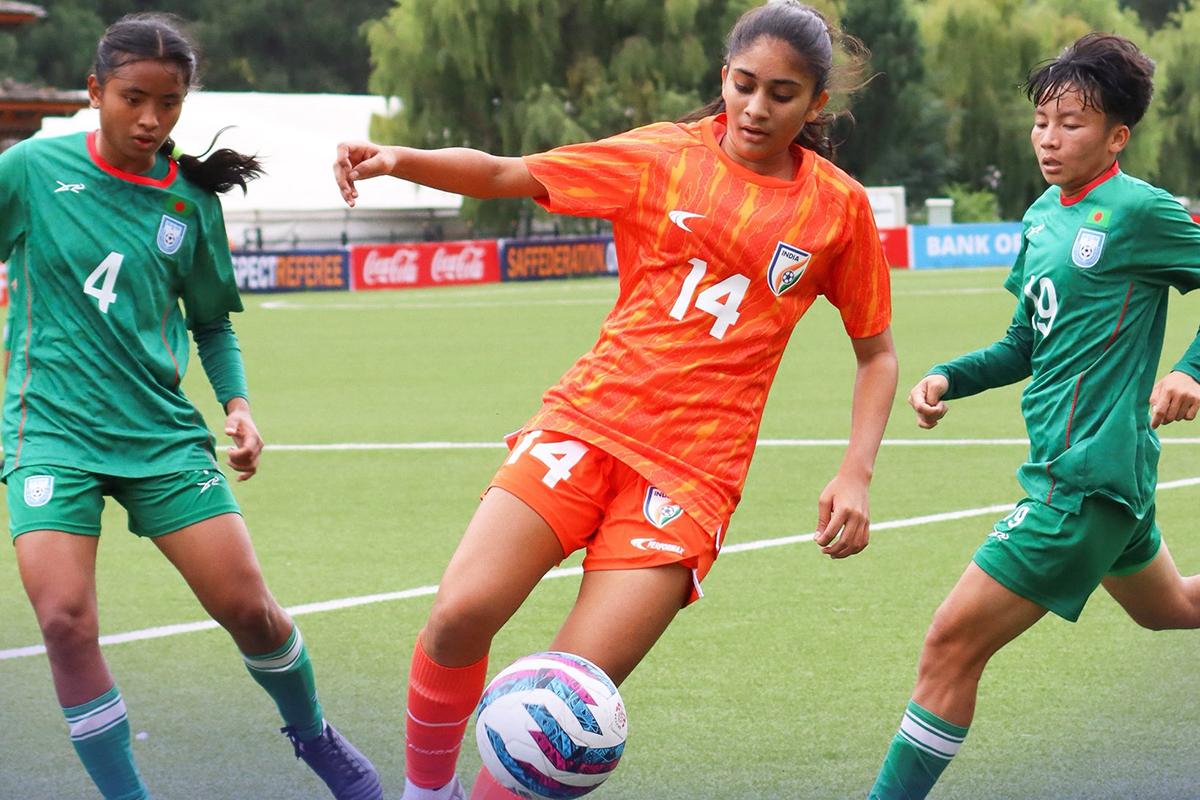
India U20 prepares to battle arch-rivals Pakistan in a high-stakes SAFF U20 Championship opener, aiming to secure a vital victory and advance towards the semifinals.
Key Points
- India U20 will play Pakistan in their first match of the SAFF U20 Championship, with a win being crucial for semifinal qualification.
- Bangladesh has already defeated Pakistan, increasing the pressure on Pakistan to win against India.
- India U20 coach Mahesh Gawali emphasises the importance of treating the match like any other, focusing on a positive start.
- India U20 are considered favourites, having won the SAFF U20 Championship four times previously.
- The SAFF U20 Championship serves as preparation for the AFC U20 Asian Cup qualifiers.
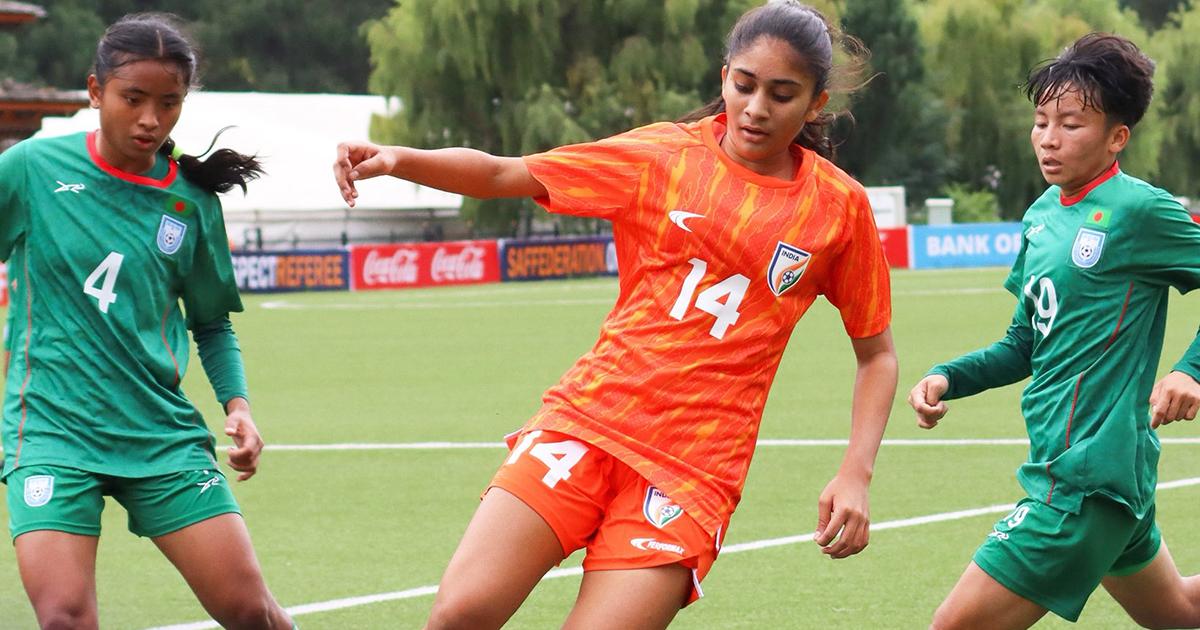
India will look to put up a commanding display when they take on arch-rivals Pakistan in their opening match of the SAFF U20 Championship here on Thursday.
India, who arrived here on Monday, are placed in the group alongside Pakistan and Bangladesh. They will face Bangladesh on Saturday, and with only two group fixtures, a single victory could prove decisive in securing a place in the semifinals.
Bangladesh defeated Pakistan 2-0 in their opening encounter, leaving Pakistan in a must-win situation to keep their knockout hopes alive. That means India will have to guard against complacency against a determined opponent.
Coach’s Perspective
“India versus Pakistan is always a big match, but for us, we are treating it like any other game. Every match is important for us. So the focus is on starting the tournament well and making a positive beginning,” said India U20 coach Mahesh Gawali.
“At the same time, we need to be cautious and play with composure and discipline,” he added.
Championship History and Future Goals
India enter the tournament as one of the favourites, having won the SAFF U20 Championship four times — in 2019, 2022, 2023 and 2025.
The championship also serves as preparation for the upcoming AFC U20 Asian Cup qualifiers.
Disclaimer: News content is sourced from the stated source. Headlines, summaries, section headers, and images are automatically generated or selected using AI/algorithms and may not always be fully accurate. Readers are advised to refer to the full article for complete context.