













Why are oil prices nearing $110, and will Brent and US WTI crude futures continue to rise or fall again?
Oil prices hovered near $110 per barrel as tension around Iran increased. Trump set a deadline for Iran to reopen the Strait of Hormuz. The strait normally carries about one fifth of global oil supply. Iranian forces shut the strait after attacks started on February 28. Markets reacted to the risk of further conflict and reduced oil shipments.
Brent crude futures traded at $108.82 per barrel. U.S. West Texas Intermediate crude futures reached above $116 earlier in the session. Later, WTI moved to $112.30 per barrel. Traders expect continued volatility as the deadline approaches.
Why are oil prices nearing $110?
The Strait of Hormuz plays a major role in global oil supply. Closure of the route has reduced exports from Gulf producers. Countries without alternate shipping routes have lost billions of dollars. Some countries with alternate routes saw gains from higher prices.
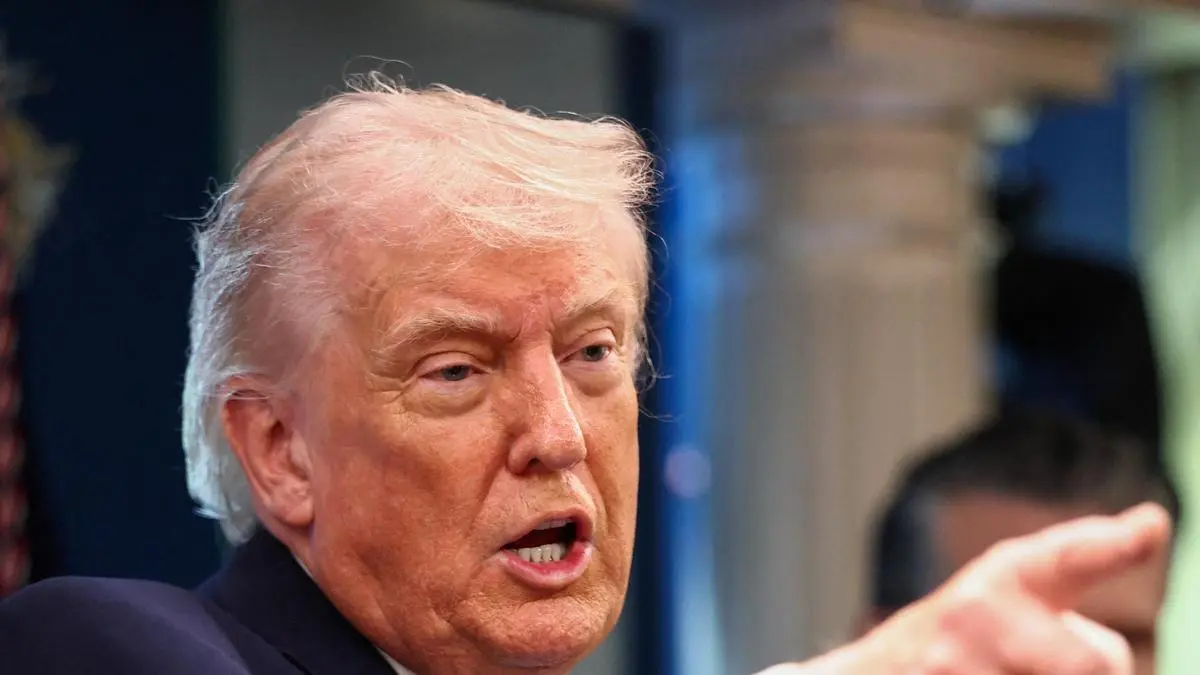
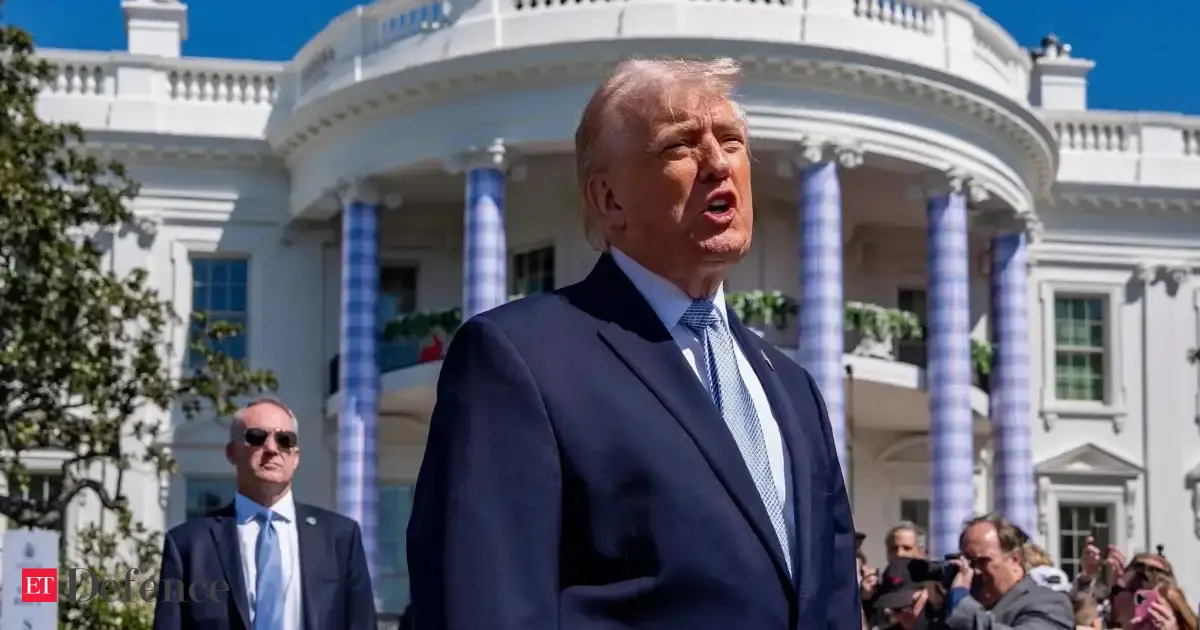
Trump warned that Iran must reopen the strait by midnight GMT. He said major infrastructure could be targeted if the deadline is not met. Iran rejected a ceasefire proposal and demanded a permanent end to the war. This raised fears of further disruption.

The United Nations Security Council plans to vote on a resolution to protect shipping. China opposed authorizing force, which weakened the proposal. Traders see uncertainty in shipping security and oil flows.
Will Brent and US WTI crude futures continue to rise or fall again?
WTI usually trades at a discount to Brent. This trend reversed because barrels for early delivery gained value. The WTI contract covers May delivery, while Brent covers June delivery. The shift reflects urgent demand for immediate supply.Spot premiums for WTI rose to record levels. Asian and European refiners are seeking replacement barrels. Middle Eastern flows remain restricted. Saudi Arabia increased the official selling price for Arab Light crude. The price reached a premium of $19.50 per barrel above the Oman/Dubai average.
Russia reported a drone strike on the Caspian Pipeline Consortium terminal. The site handles about 1.5% of global oil supply. Kazakhstan reported that shipments remained stable. These events added uncertainty to supply outlook.
OPEC+ agreed to raise output quotas by 206,000 barrels per day in May. The increase may remain limited because many producers cannot boost production during the Hormuz closure.
Analysts insights and market outlook
Analysts insights and market outlook show strong concern about supply. The market focuses on shipping routes and production limits. Refiners are securing supply from alternative regions. This increases competition for available barrels.
Spot premiums indicate tight supply in the short term. The reversal of WTI discount reflects urgent demand. The outcome of diplomatic efforts may decide price direction. A reopening of the strait may lower prices. Continued closure may push prices higher.
The vote at the United Nations may affect shipping protection. Market participants track any sign of military escalation. Traders remain focused on the Trump deadline and Iran’s response.
What should investors do now?
Investors are watching geopolitical developments. Price movements depend on shipping access and supply recovery. Output increases from OPEC+ may not offset lost shipments.
Investors monitor inventory levels and refinery demand. Market participants track shipping security and production updates. Any change in the Strait of Hormuz status may move Brent and US WTI crude futures.
FAQs
Q1. Why are oil prices nearing $110, and will Brent and US WTI crude futures continue to rise or fall again?
Oil prices near $110 due to Strait of Hormuz closure, supply disruption, refinery demand, and geopolitical tension. Brent and US WTI crude futures may rise or fall depending on shipping access, diplomacy, and production output.
Q2. What factors affect Brent and US WTI crude futures now?
Brent and US WTI crude futures depend on shipping routes, refinery demand, OPEC+ output, and geopolitical events. Changes in the Strait of Hormuz situation and global supply recovery will shape future price movement.