




















Combining social engagement with exercise and dietary steps may be key, said Jessica Langbaum of the Banner Alzheimer’s Institute, who wasn’t involved with the study.
“Americans want to have that one easy thing – ‘If I just eat my blueberries,’” Langbaum said. “There is no one magic bullet. It is a whole lifestyle.”
How to exercise your body and mind on your own
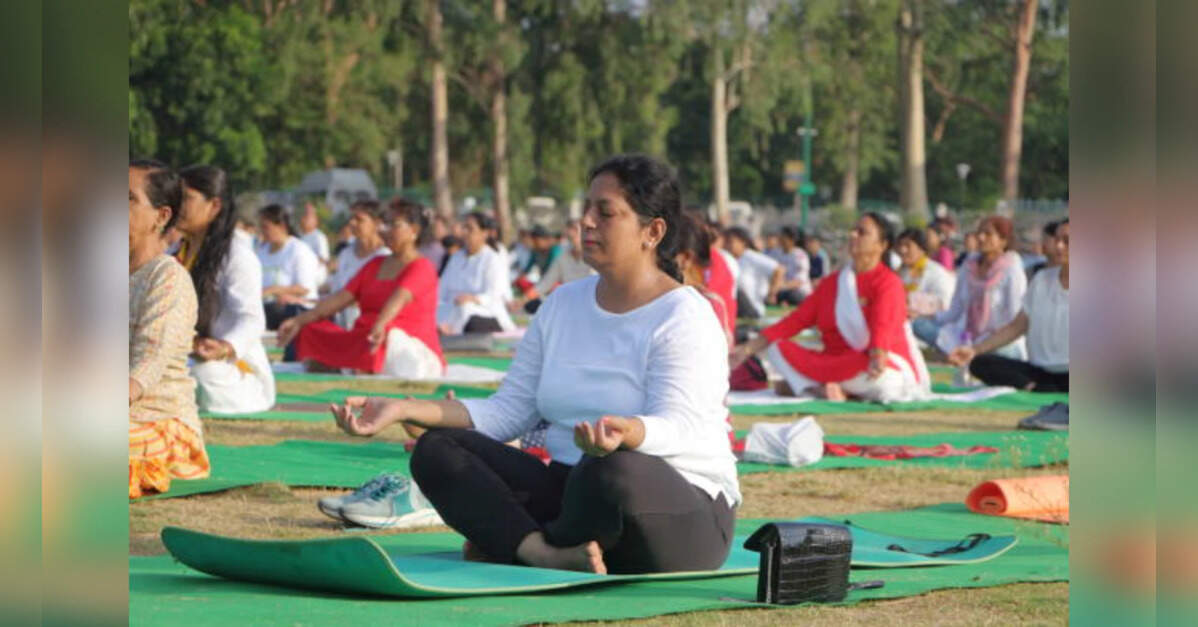
Moderately intense physical activity means raising your heart rate and panting a bit yet still able to talk, said Wake Forest’s Baker. Pick something safe for your physical capability and start slowly, just 10 minutes at a time until you can handle more, she cautioned.
Make it something you enjoy so you stick with it.
Likewise there are many options for brain exercise, Baker said – puzzles, joining a book club, learning an instrument or a new language.
Jones, a software engineer-turned-tester, learned she loves blueberry-spinach smoothies. Her favorite exercise uses an at-home virtual reality program that lets her work up a sweat while appearing to be in another country and communicating with other online users.
One challenge: How to keep up the good work
Researchers will track study participants’ health for four more years and the Alzheimer’s Association is preparing to translate the findings into local community programs.
Will people with stick with their new habits?
Jones lost 30 pounds, saw her heart health improve and feels sharper especially when multitasking. But she hadn’t realized her diet slipped when study coaching ended until a checkup spotted rising blood sugar. Now she and an 81-year-old friend from the study are helping keep each other on track.
The lifestyle change “did not just affect me physically, it also affected me mentally and emotionally. It brought me to a much better place,” Jones said.