
















India
oi-Ruchika Pareek


India
has
significantly
improved
its
standing
in
the
Henley
Passport
Index
2025,
climbing
eight
spots
from
last
year’s
rank
of
85th
to
77th.
This
improvement
comes
despite
only
gaining
access
to
two
additional
destinations
for
visa-free
travel.
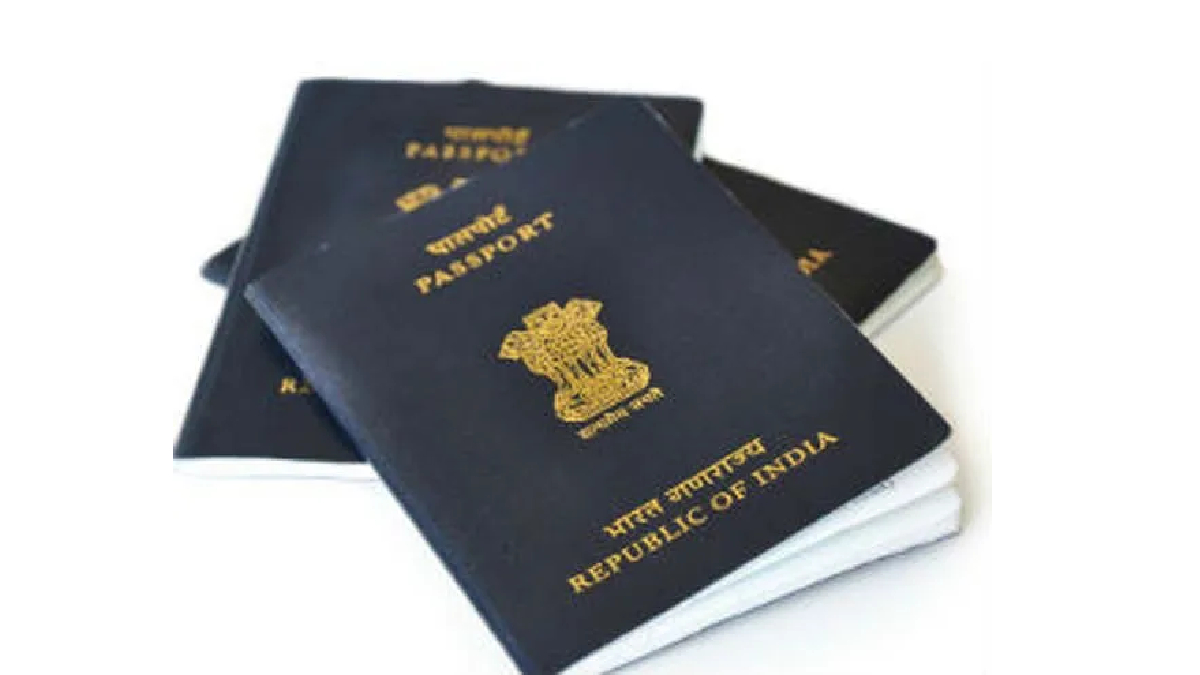
Indian
passport
holders
now
enjoy
visa-free
or
visa-on-arrival
access
to
a
total
of
59
countries.
Countries
offering
visa-free
access
to
Indian
citizens
include
Malaysia,
Indonesia,
Maldives,
and
Thailand,
while
destinations
such
as
Sri
Lanka,
Macau,
and
Myanmar
provide
visa-on-arrival
options.

The
Henley
Passport
Index
ranks
passports
based
on
the
number
of
destinations
their
holders
can
enter
without
obtaining
a
visa
in
advance.
The
2025
rankings
reveal
a
global
trend
led
by
Asian
countries
in
terms
of
travel
mobility.
Singapore
continues
to
hold
the
top
position,
offering
visa-free
access
to
193
destinations.
Japan
and
South
Korea
follow
closely
with
access
to
190
countries.
In
third
place
are
seven
European
nations-Denmark,
Finland,
France,
Germany,
Ireland,
Italy,
and
Spain-each
granting
access
to
189
destinations.
The
fourth
spot
is
jointly
held
by
Austria,
Belgium,
Luxembourg,
Netherlands,
Norway,
Portugal,
and
Sweden.
Meanwhile,
New
Zealand
shares
the
fifth
rank
with
Greece
and
Switzerland.
At
the
bottom
of
the
index,
Afghanistan
ranks
lowest,
with
its
citizens
able
to
travel
to
just
25
countries
without
a
prior
visa.
Both
the
United
Kingdom
and
the
United
States
have
each
dropped
one
position
since
January.
The
UK
now
holds
the
6th
rank
with
access
to
186
destinations,
while
the
US
is
in
10th
place,
granting
access
to
182
countries.
Notably,
both
had
previously
topped
the
list-the
UK
in
2015
and
the
US
in
2014.
Elsewhere,
Saudi
Arabia
recorded
the
biggest
jump
this
year,
adding
four
new
destinations
and
reaching
91
countries
with
visa-free
access.
China
also
showed
a
significant
rise,
moving
up
34
places
from
94th
to
60th
since
2015,
although
this
gain
was
made
without
access
to
Europe’s
Schengen
Area.
Dr.
Juerg
Steffen,
CEO
of
Henley
&
Partners,
noted
that
US
citizens
now
lead
the
global
demand
for
alternative
residence
and
citizenship
options,
with
British
nationals
also
ranking
among
the
top
five.
“As
the
US
and
UK
pursue
increasingly
inward-looking
policies,
more
of
their
citizens
are
seeking
improved
global
mobility
and
security,” he
said.
He
added,
“A
passport
today
is
more
than
just
a
travel
document-it
reflects
a
country’s
diplomatic
strength
and
international
alliances.
In
times
of
rising
inequality
and
geopolitical
tension,
strategic
citizenship
and
mobility
planning
are
more
vital
than
ever.”