















The UAE renewed a $2 billion loan, while Qatar agreed to $3 billion in investments and LNG supplies. Sharif praised China as an “all-weather friend” and thanked the Gulf countries for stabilizing foreign exchange reserves and helping avert a balance-of-payments crisis.
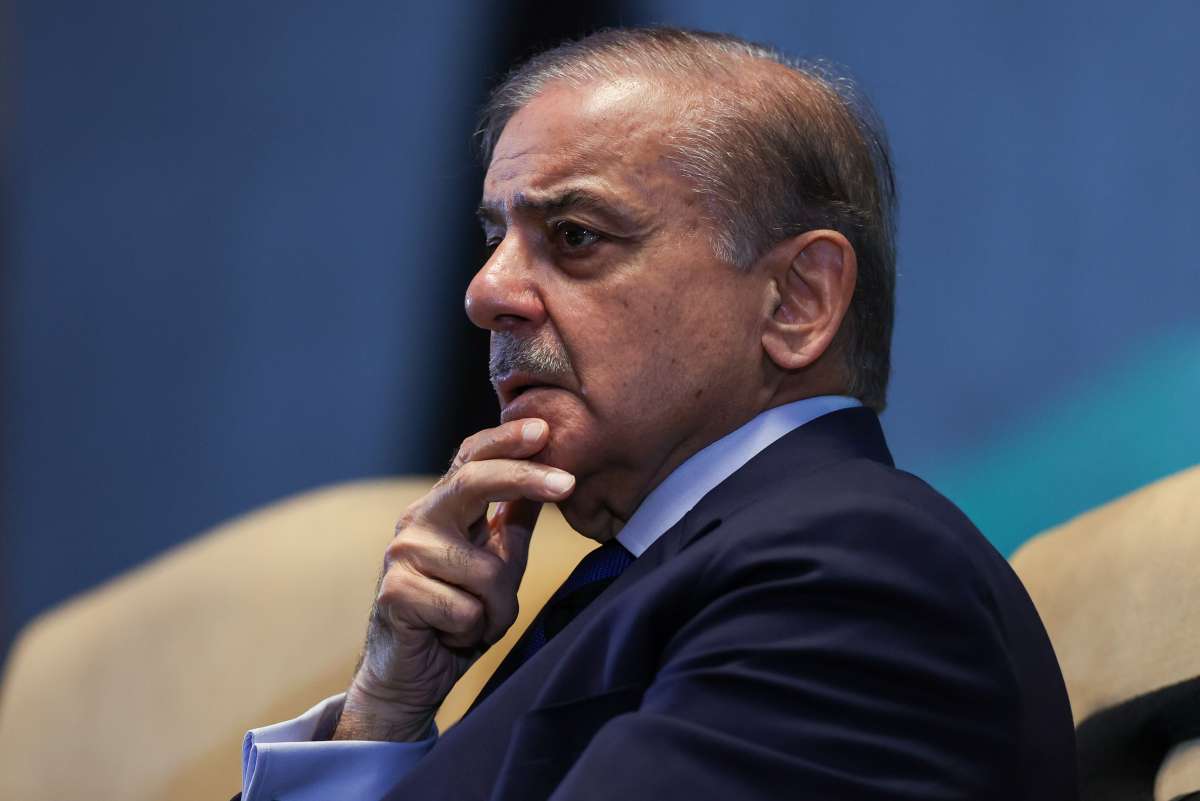
Pakistan’s Prime Minister Shehbaz Sharif openly admitted that he and Army Chief Field Marshal Asim Munir have had to travel abroad seeking financial assistance. Speaking to top Pakistani exporters in Islamabad on Friday night, Sharif described the challenges faced by his government in managing the country’s faltering economy.
Sharif painted a stark picture of Pakistan’s reliance on foreign loans. While the country’s foreign exchange reserves have nearly doubled, he stressed that much of this growth comes from borrowed funds. “The current situation is that the reserves of the foreign exchange have almost doubled. But the loans of our friends and countries are included. But you know that the one who goes to take a loan, his head is bowed,” he said.
Embarrassment and national pride at stake
The Prime Minister emphasised the personal and national strain of repeatedly seeking aid. “We feel ashamed when Field Marshal Asim Munir and I go around the world begging for money. Taking loans is a huge burden on our self-respect.
Our heads bow down in shame. We cannot say no to many things they want us to do,” Sharif added, highlighting the loss of autonomy tied to financial dependence. Sharif acknowledged the support provided by key allies, including China, Saudi Arabia, the UAE, and Qatar. China has rolled over billions in deposits and continues investment through the $60 billion China-Pakistan Economic Corridor. Saudi Arabia extended a $3 billion deposit along with a $1.2 billion oil facility.
The UAE renewed a $2 billion loan, while Qatar agreed to $3 billion in investments and LNG supplies. Sharif praised China as an “all-weather friend” and thanked the Gulf countries for stabilizing foreign exchange reserves and helping avert a balance-of-payments crisis.
Domestic challenges persist
Despite external assistance, Sharif highlighted domestic hardships. Poverty affects roughly 45% of the population, with 16.5% living in extreme poverty. Unemployment stands at 7.1%, leaving over eight million people without jobs. Public debt has surpassed Rs 76,000 billion, keeping Pakistan dependent on IMF programs and foreign loans. Sharif also cited weak innovation and economic stagnation as ongoing challenges.
The remarks came amid ongoing discussions with the International Monetary Fund on policies aimed at stabilizing the economy and promoting growth. Sharif expressed frustration over the country’s reliance on external aid, emphasizing the tension between financial necessity and national self-respect.