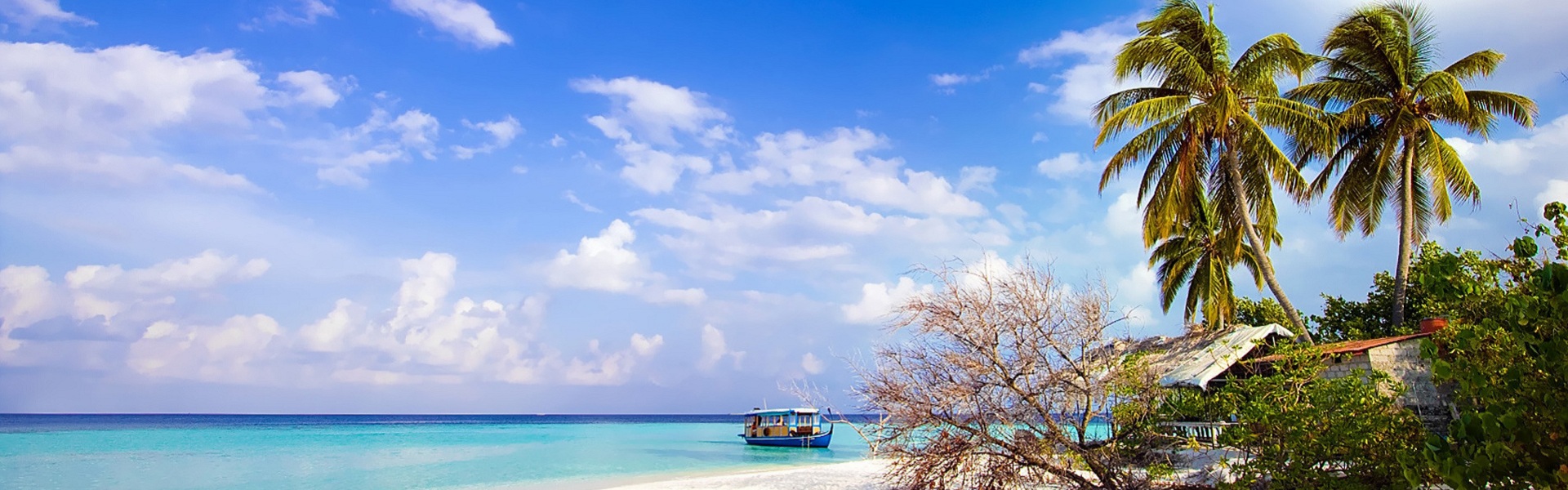

















The little town of Kannur wakes gently, not with the blare of honking horns, but with the low, rhythmic pull of the sea against the shore and the distant calls of fishermen heading out at dawn. The town, tucked along Kerala’s northern Malabar coast, wears its history lightly: Portuguese, Dutch, and British traces scattered in the faded buildings, spice-scented lanes, and the unmistakable aroma of freshly baked Thalassery biryani, simmering in small home kitchens.
I make my way past narrow streets lined with shuttered shops and coconut palms, the scent of the sea hanging in the humid air, until the remnants of Dutch Fort rises in the distance as a silent, ochre sentinel above the Arabian Sea. Built in 1708 by the British East India Company, its thick laterite walls still bear the scars of centuries, and the old cannons perched on its bastions point toward the horizon as if still guarding the trade routes once brimming with pepper, cardamom, and tales of intrigue. I climb the uneven ramparts, brushing my fingers over walls made of jaggery, lime, and stone, the sun warming the rough surface. Below, the sea glimmers, dotted with fishing boats painted in every colour of the rainbow. From above, you can see the boats returning, laden with the morning’s catch, bobbing gently with the tide like children at play.